What kind of audio gear do you review?
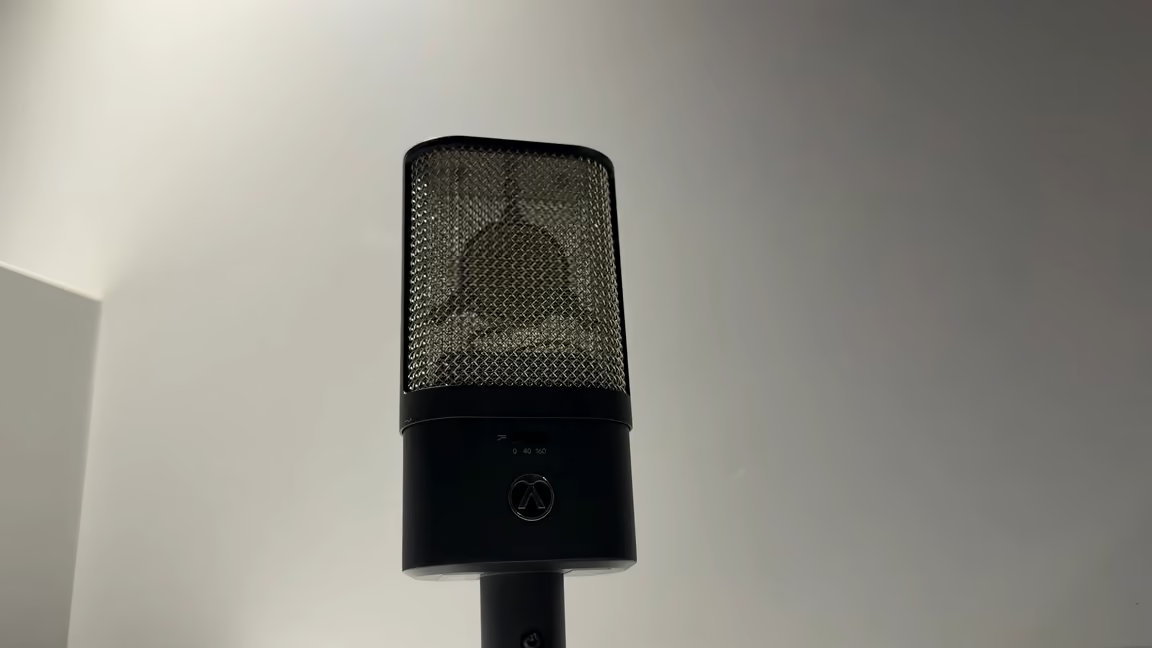
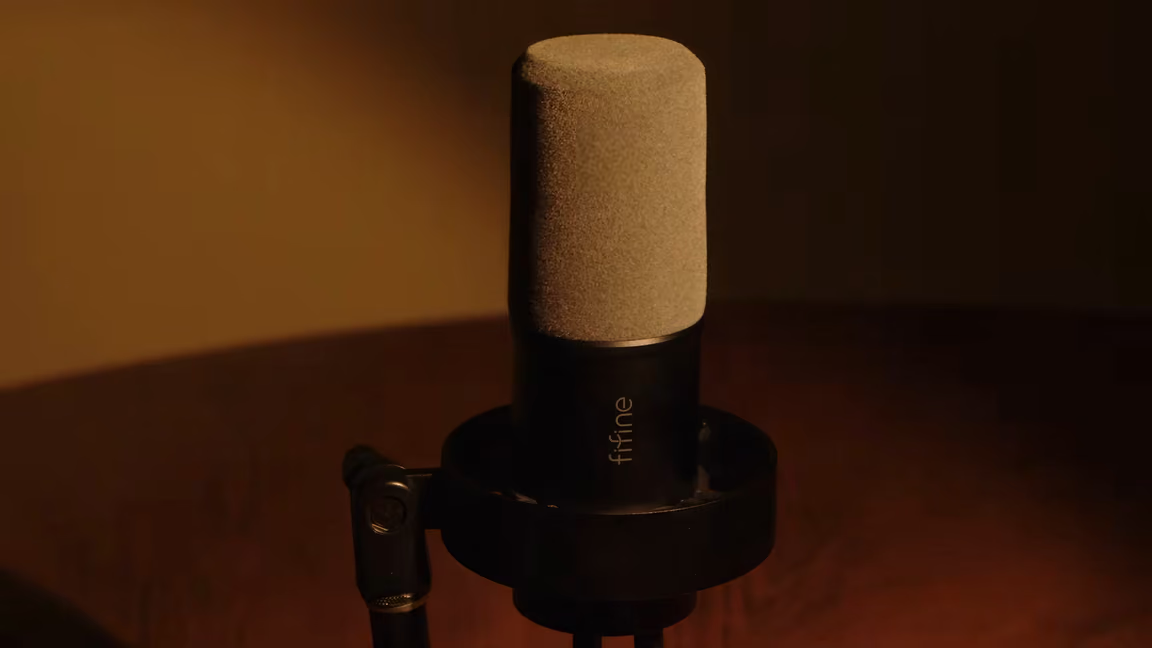
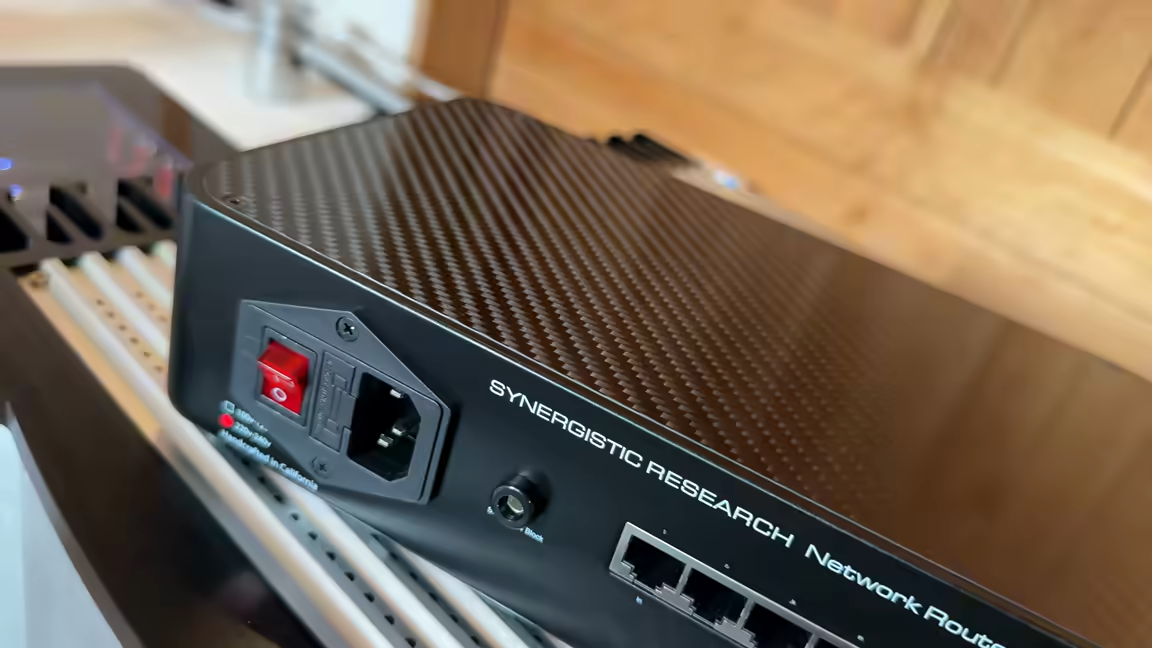
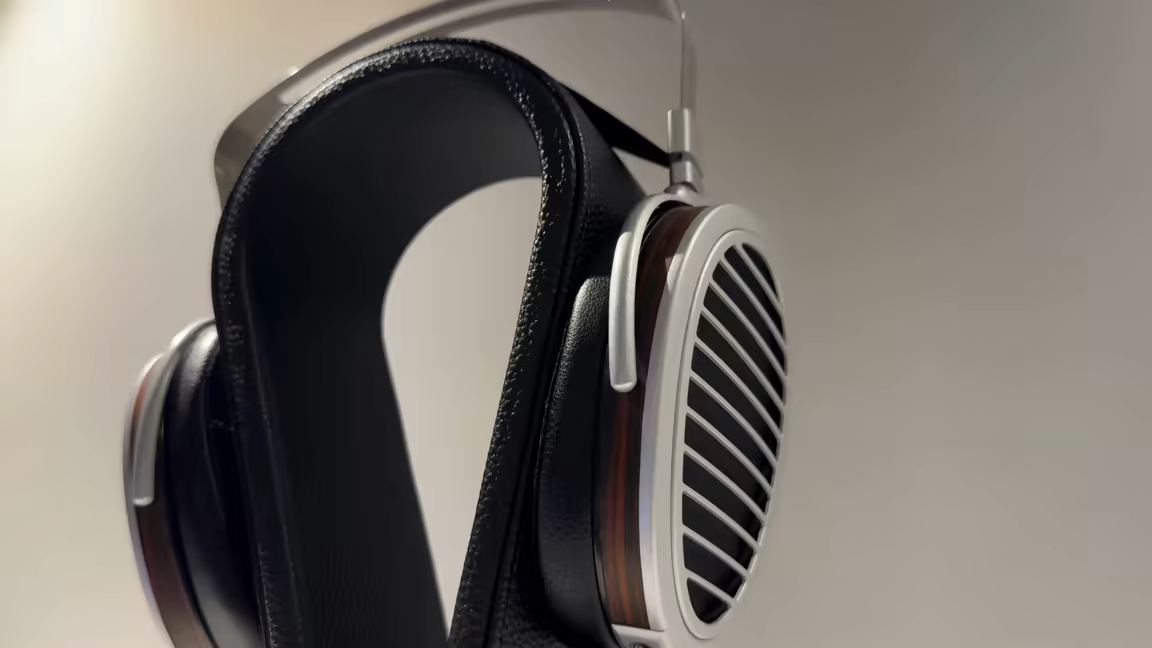
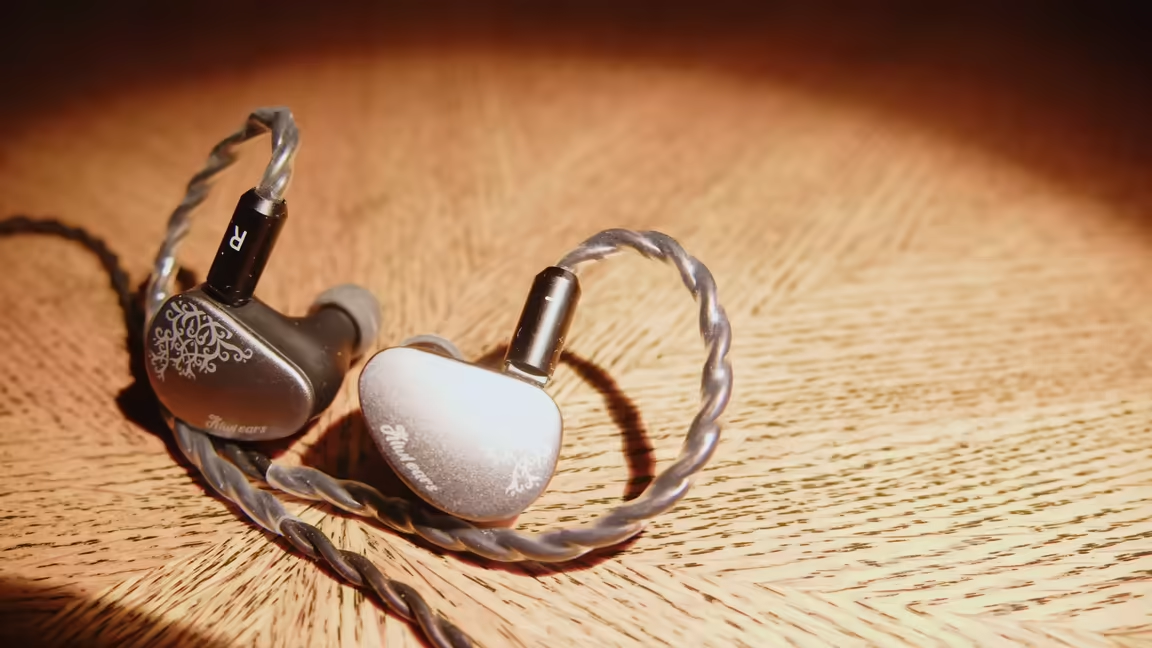
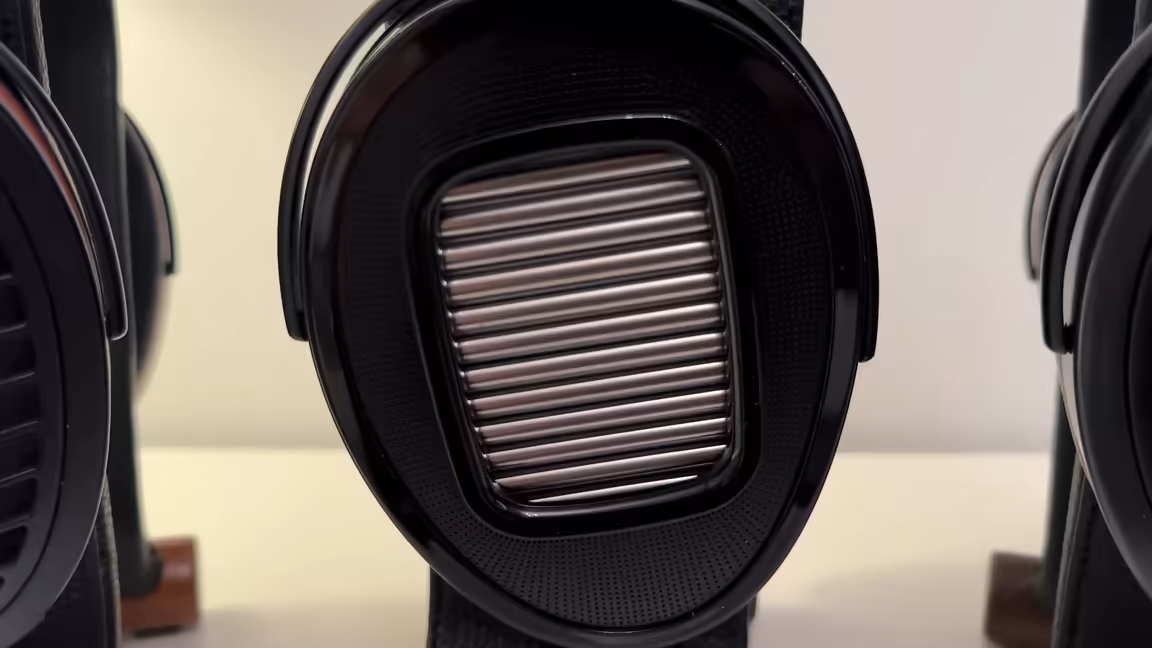
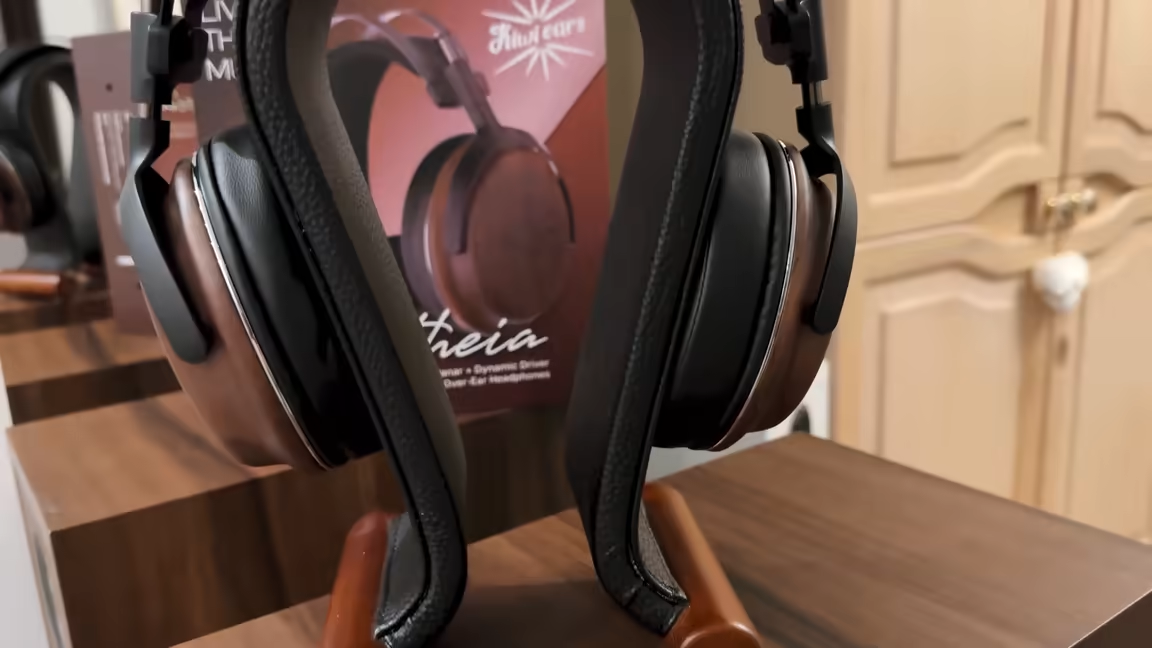
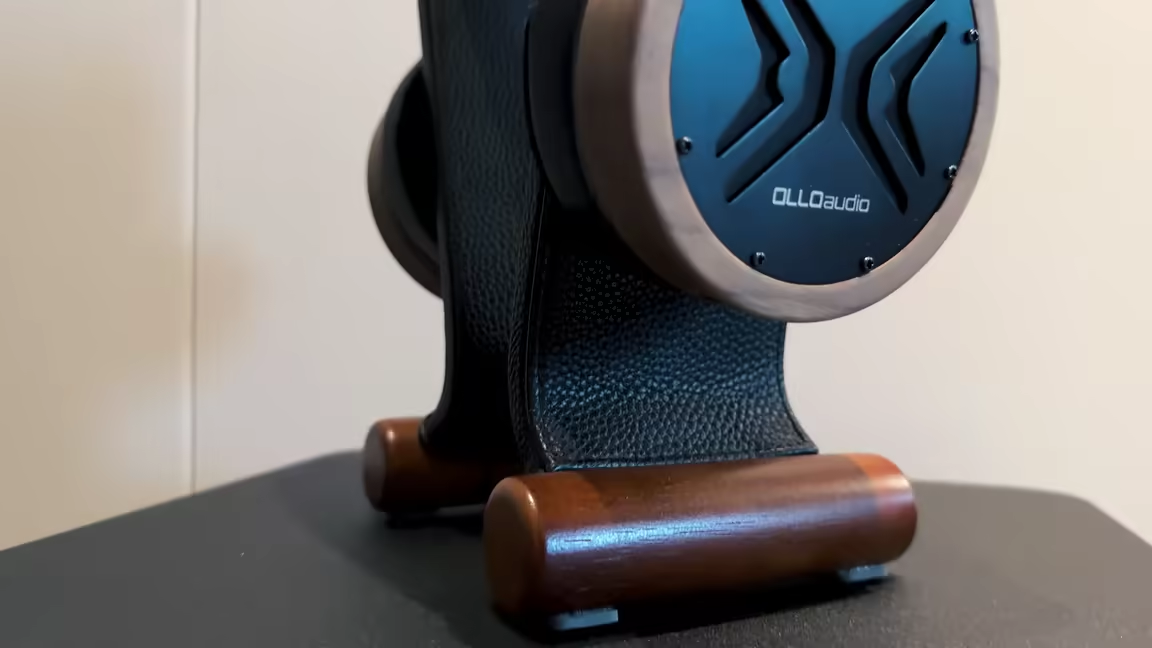
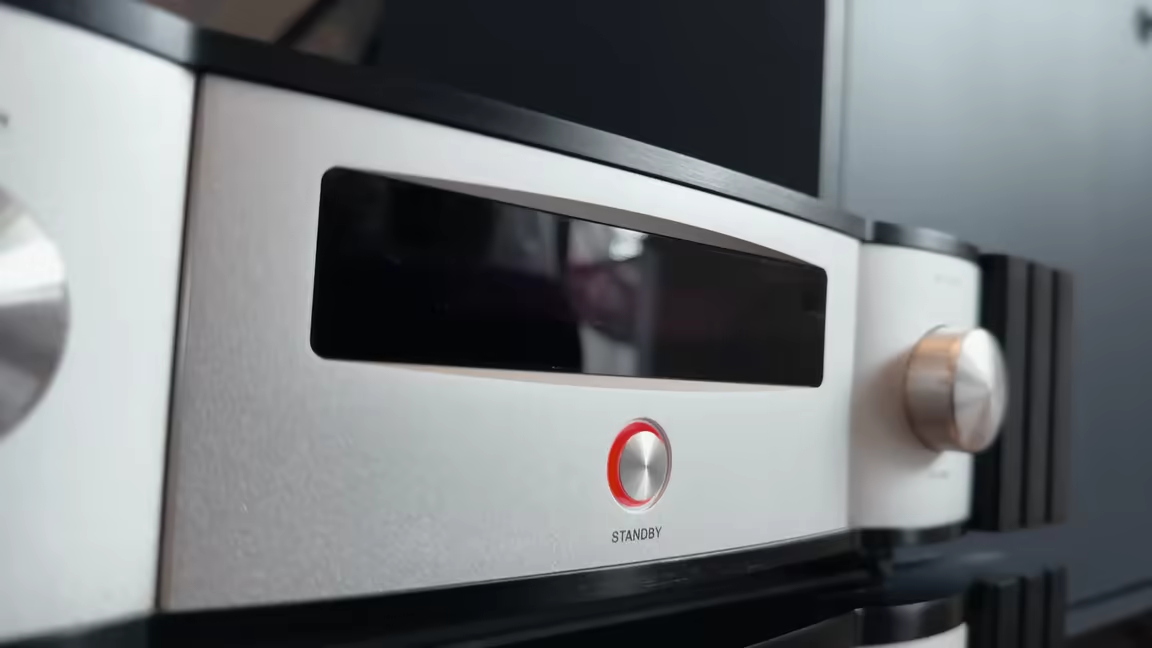
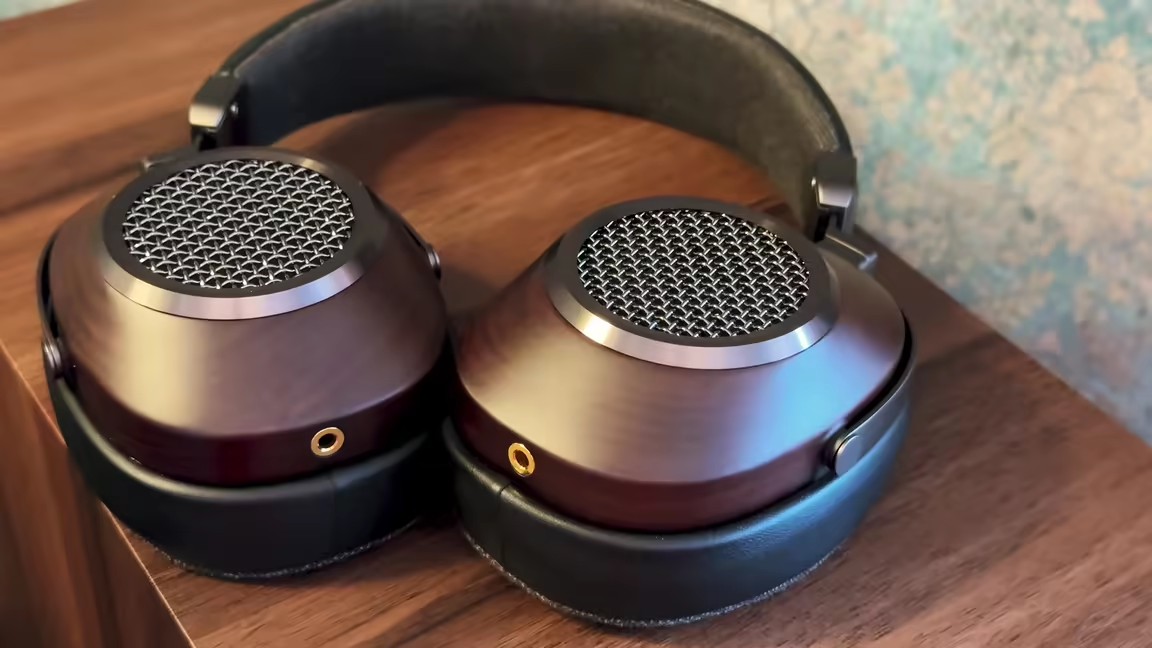
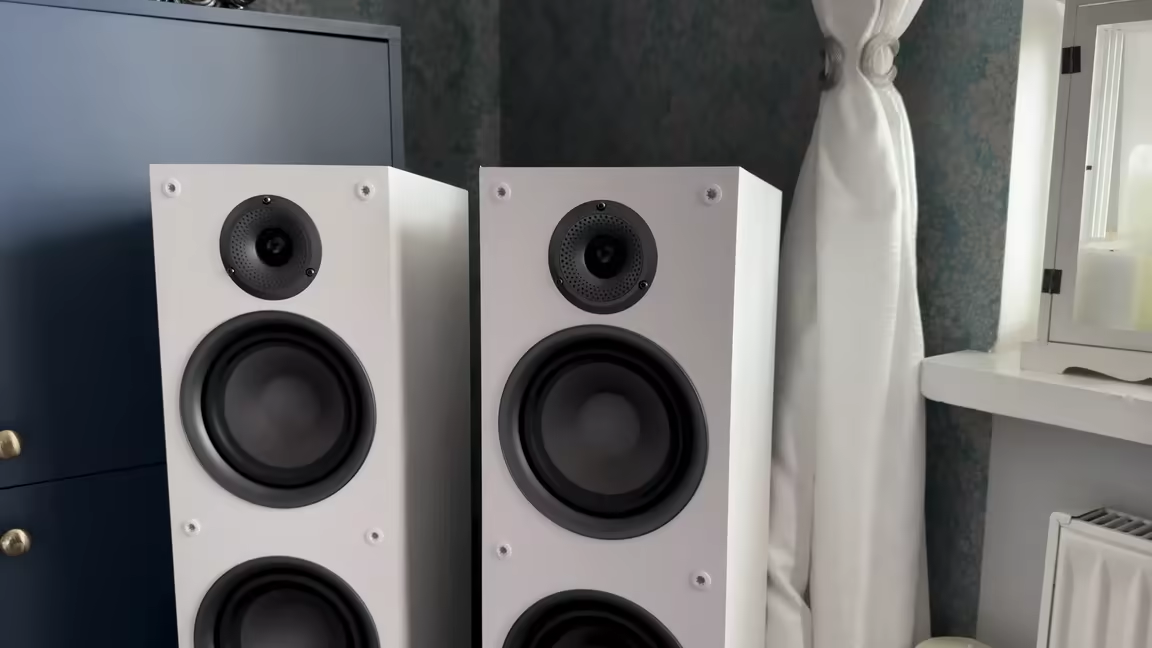
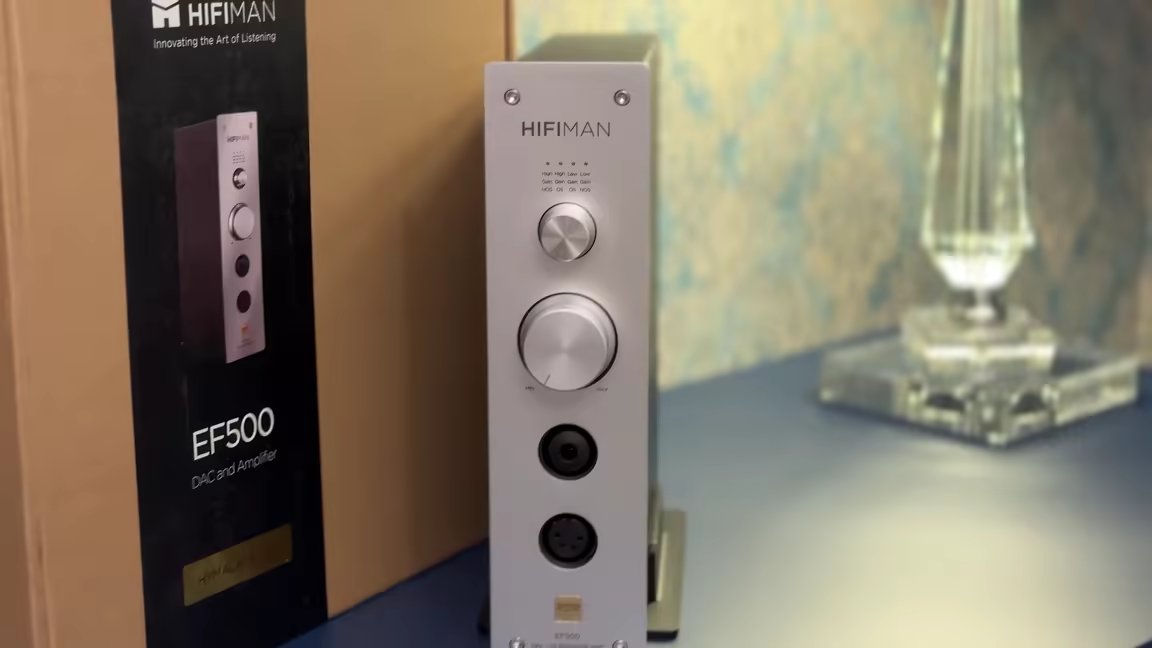
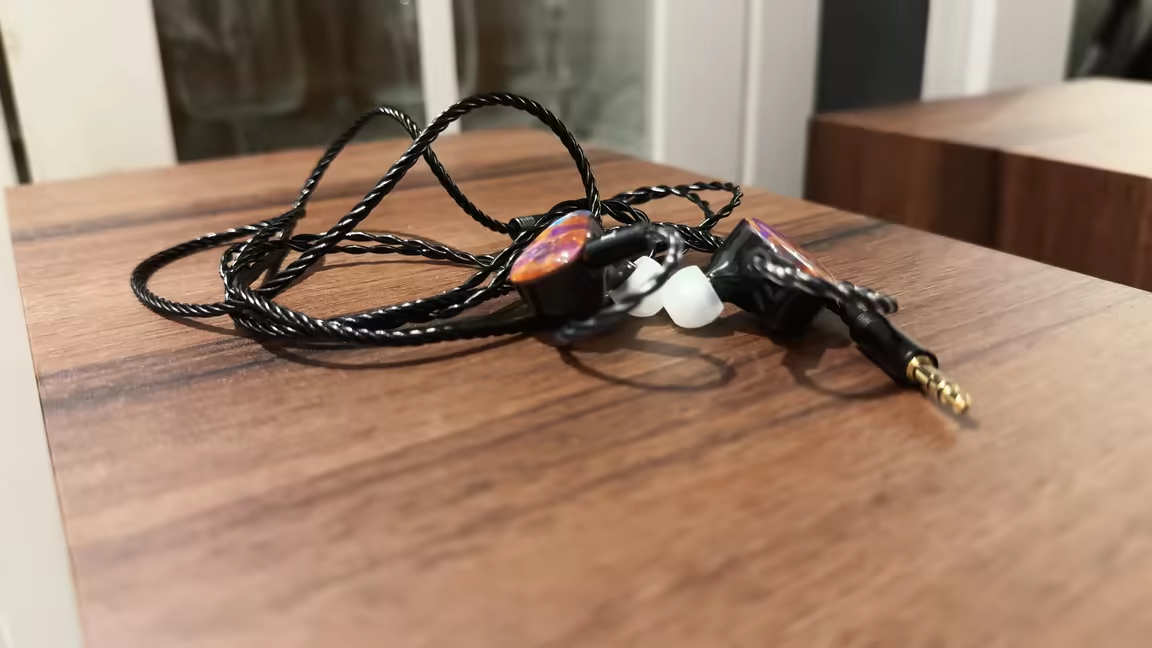
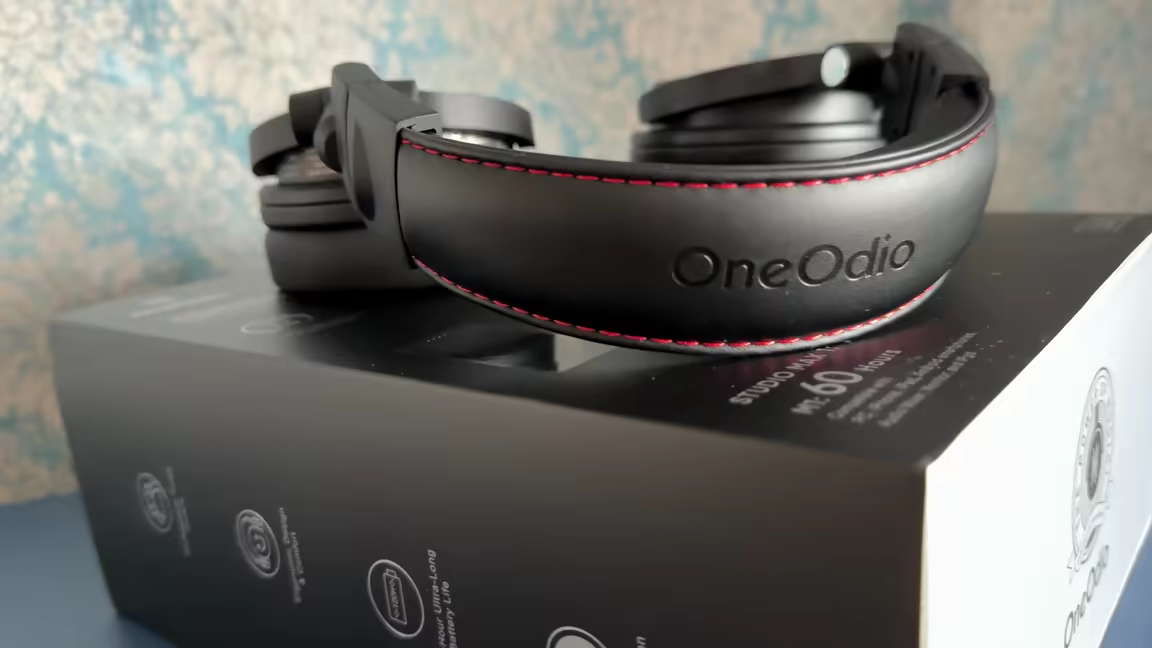
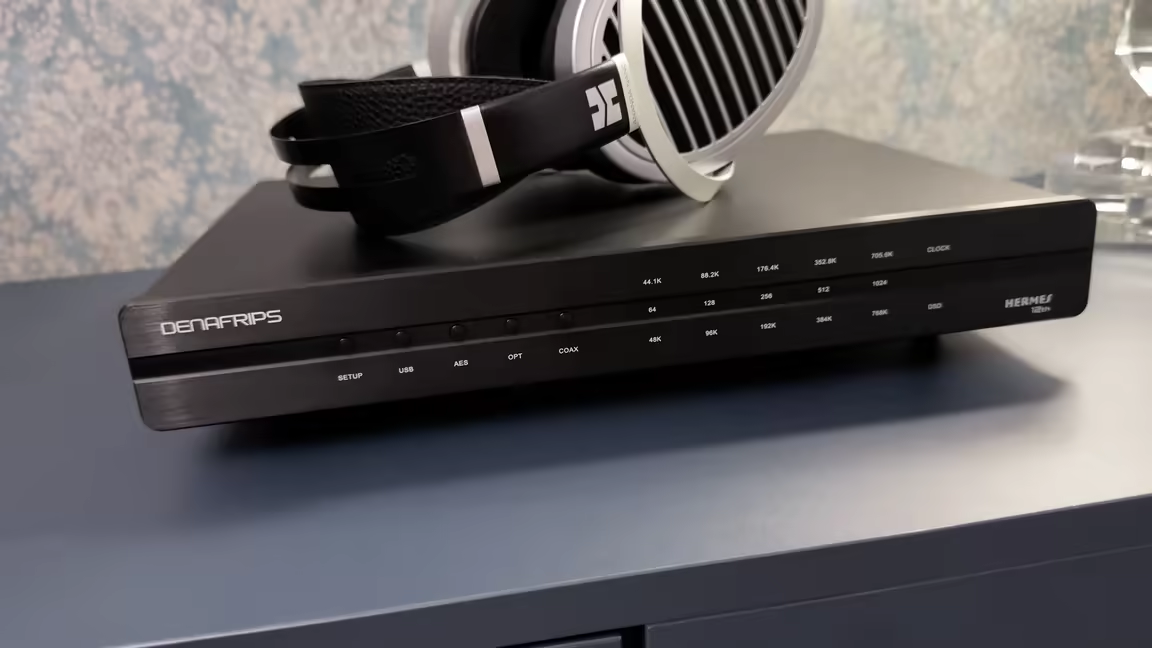
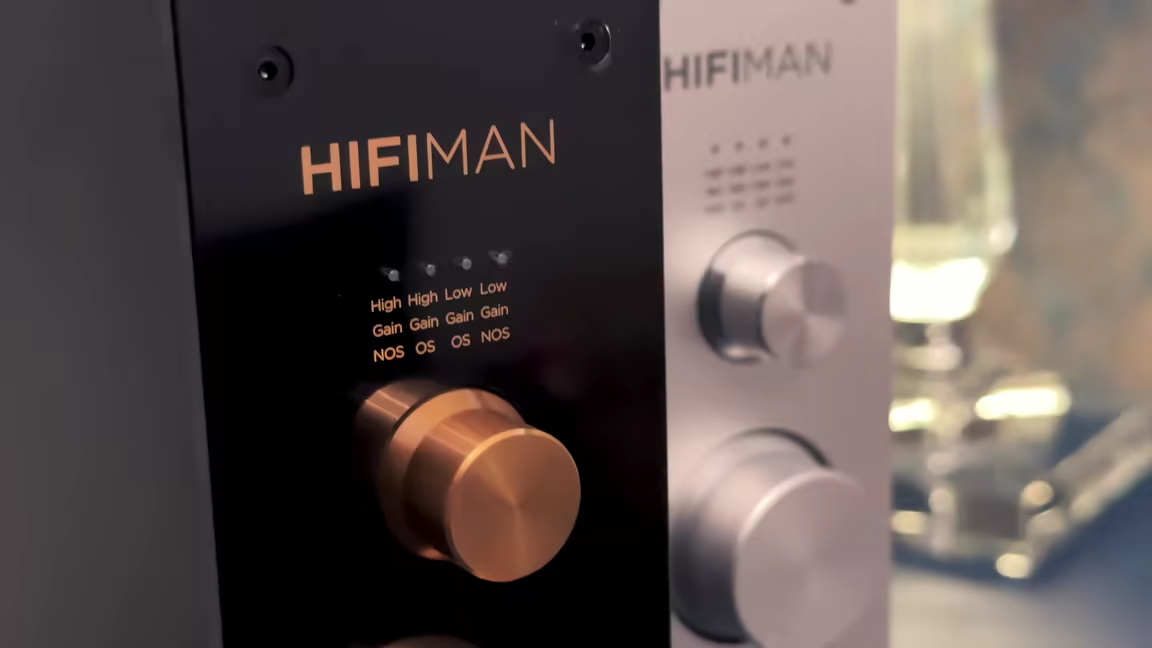
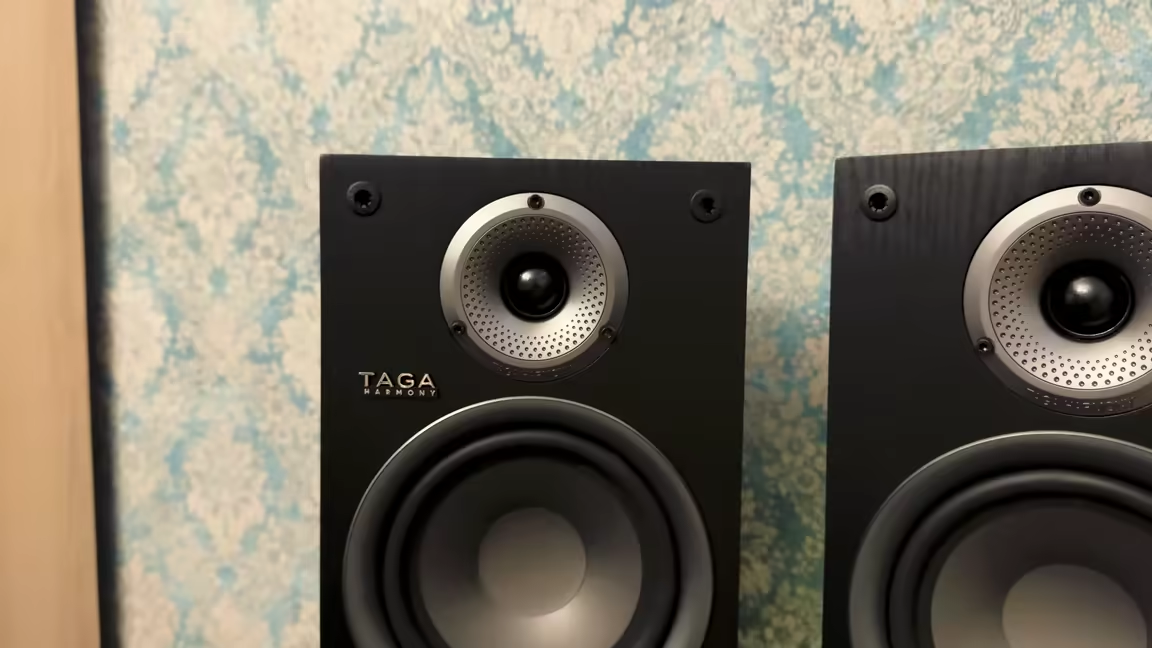
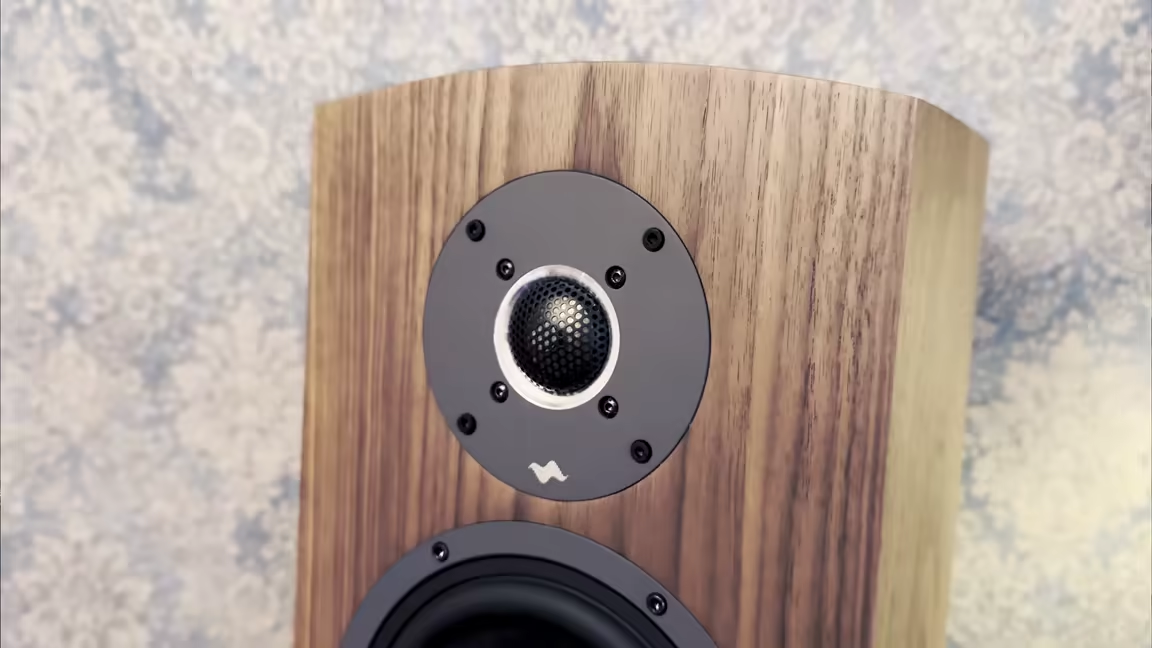
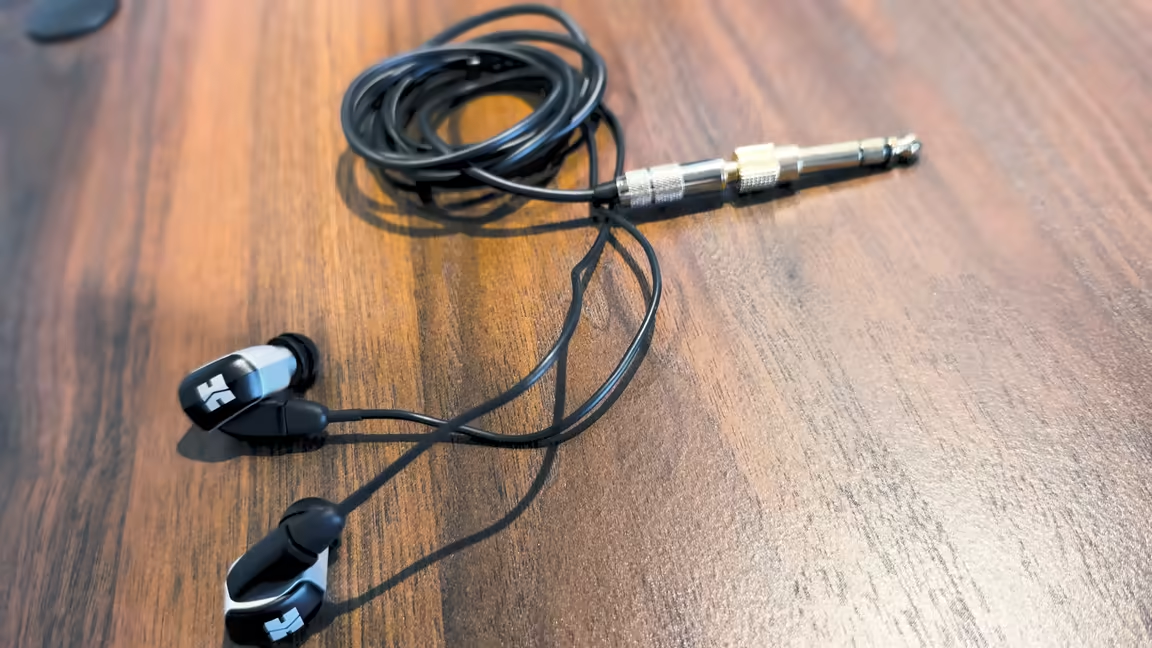
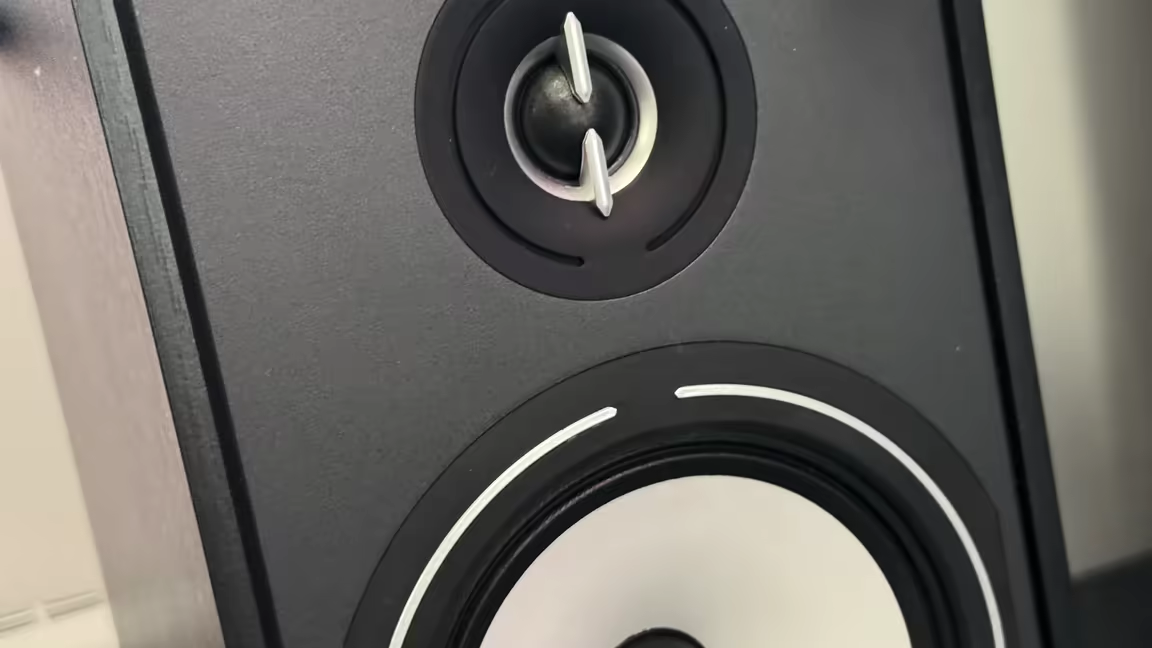
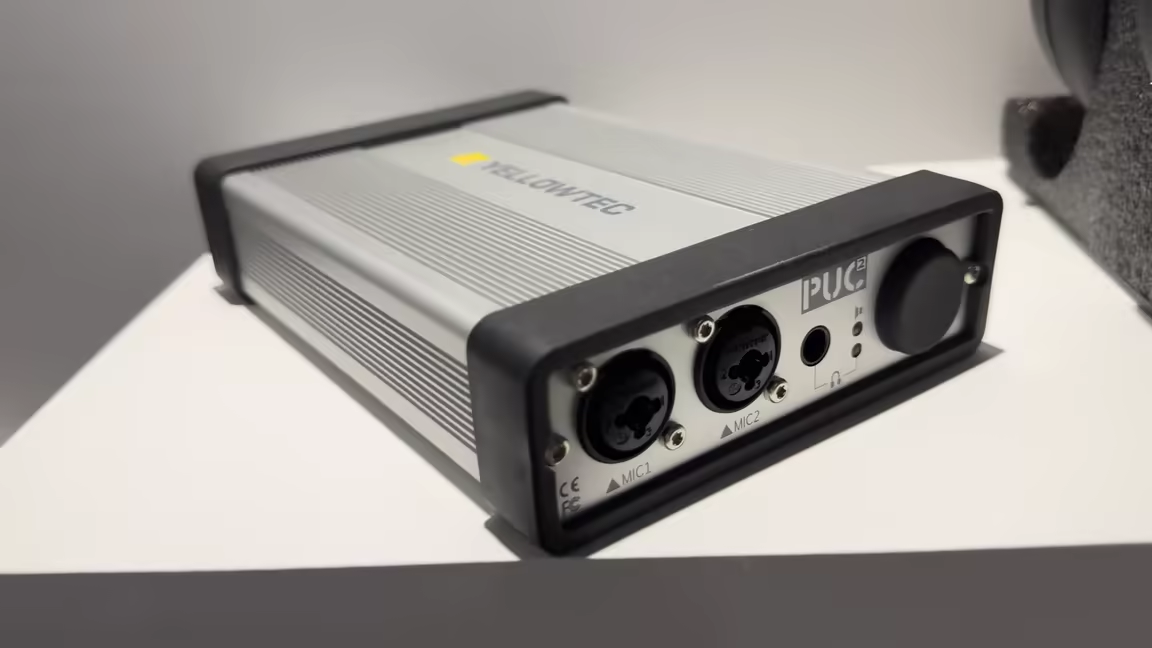
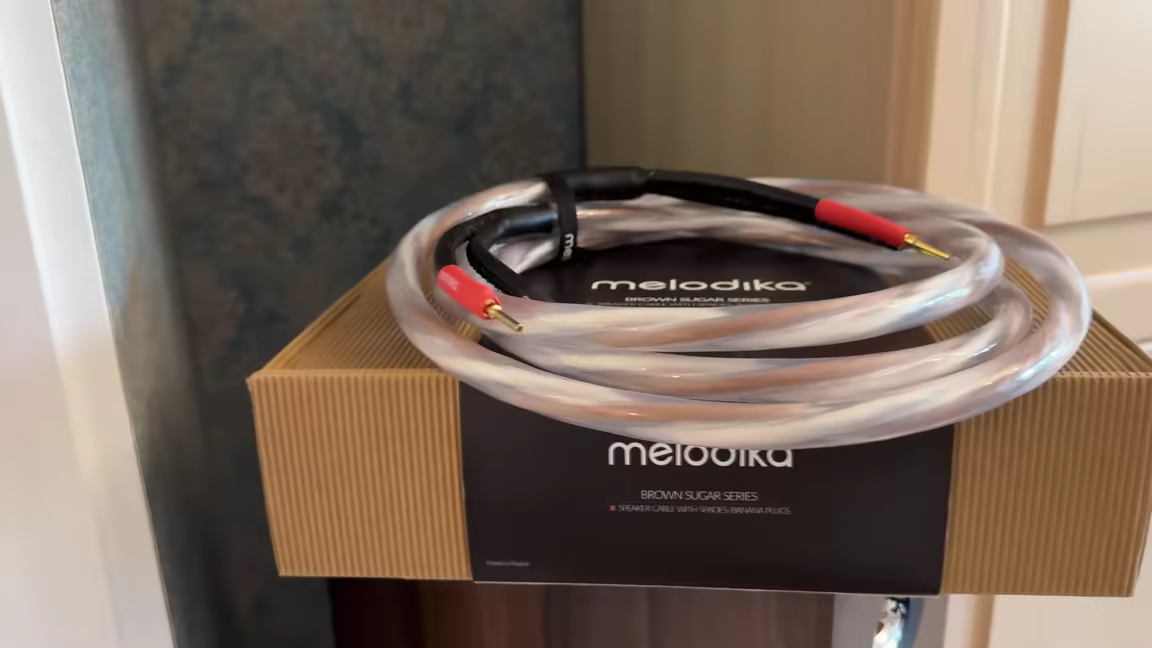
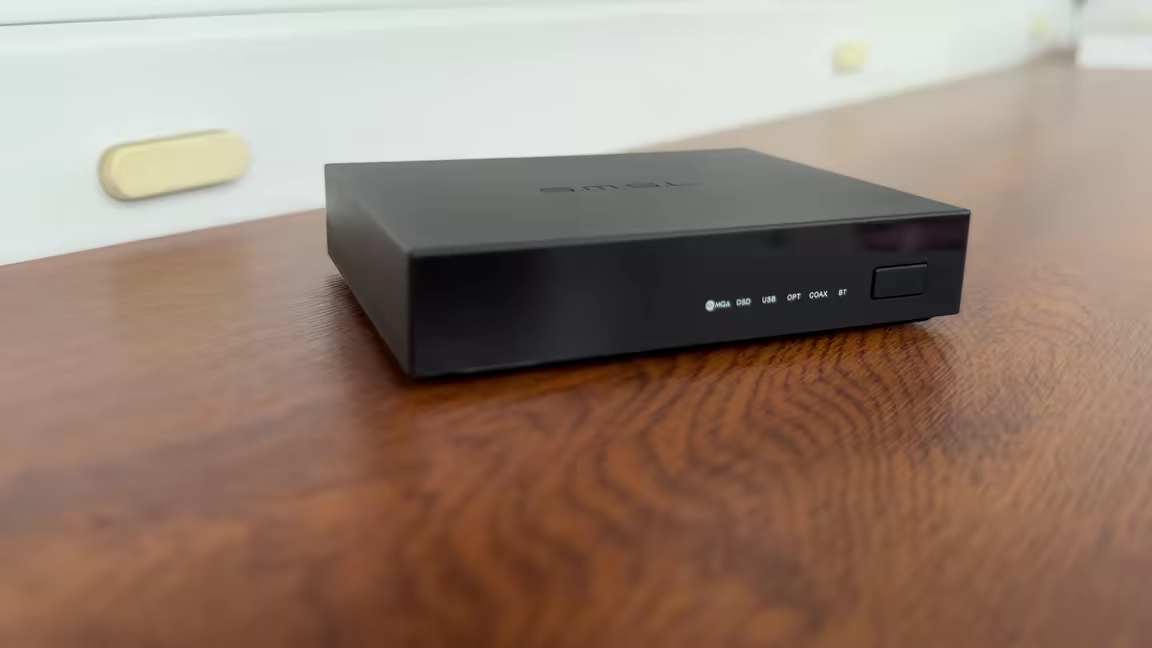
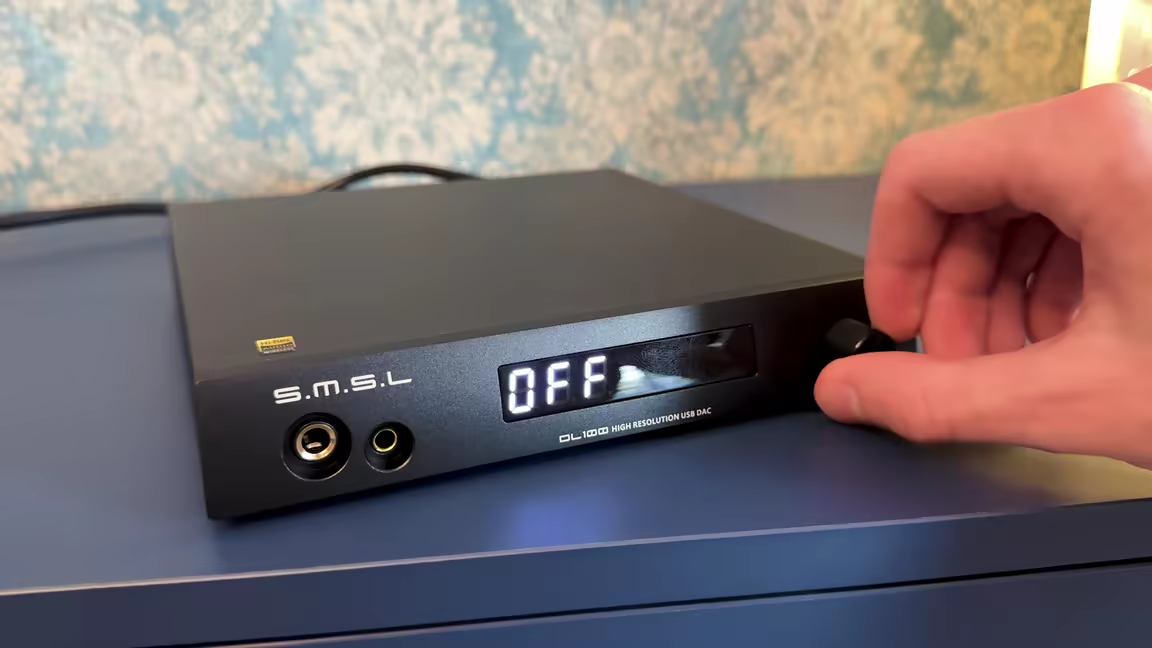
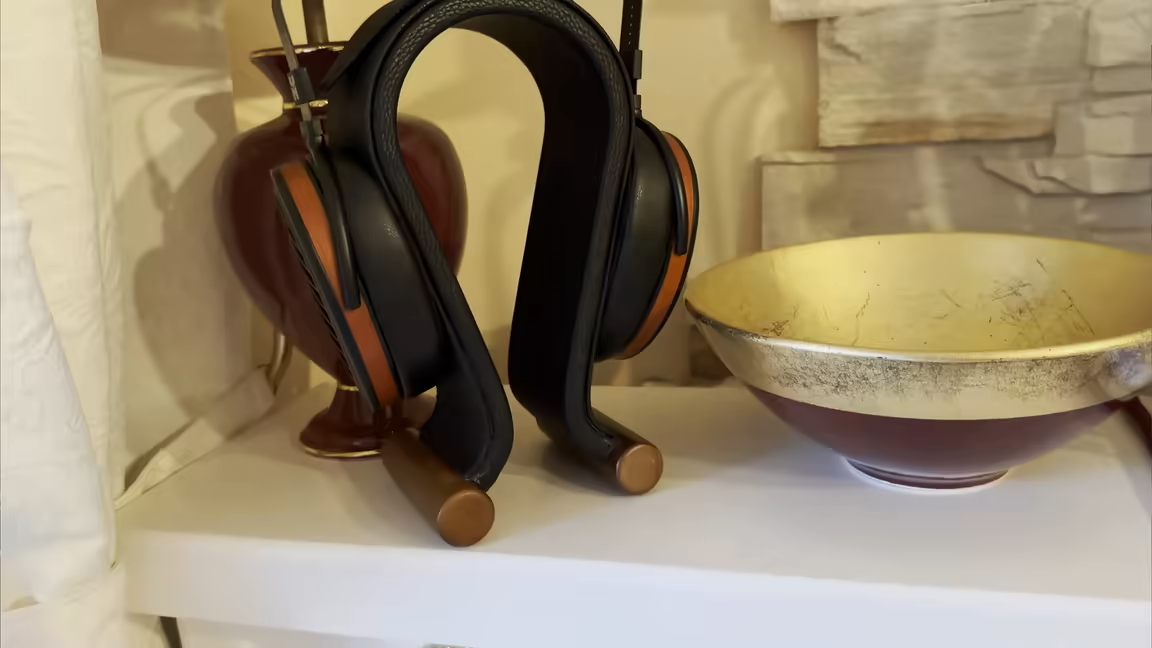
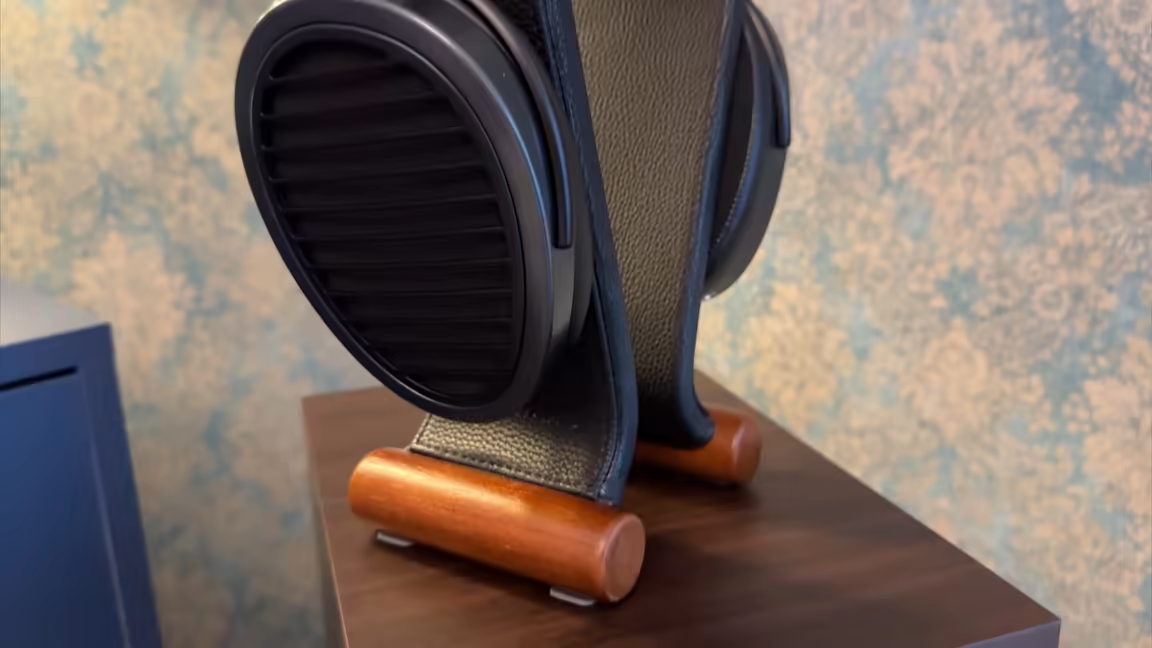
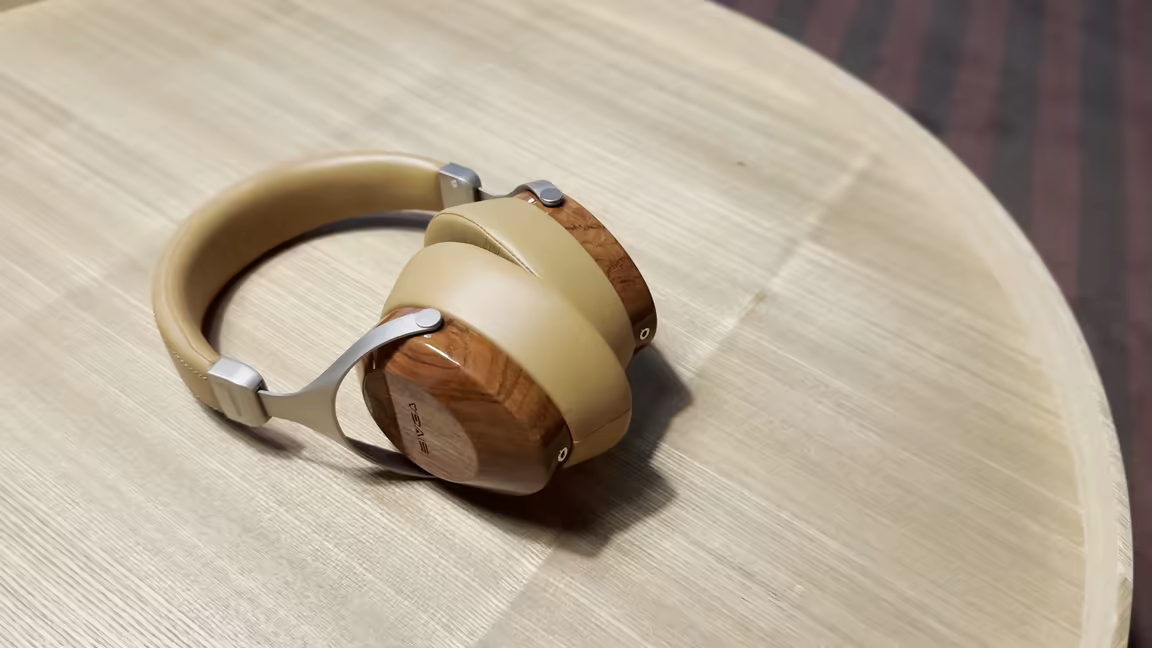
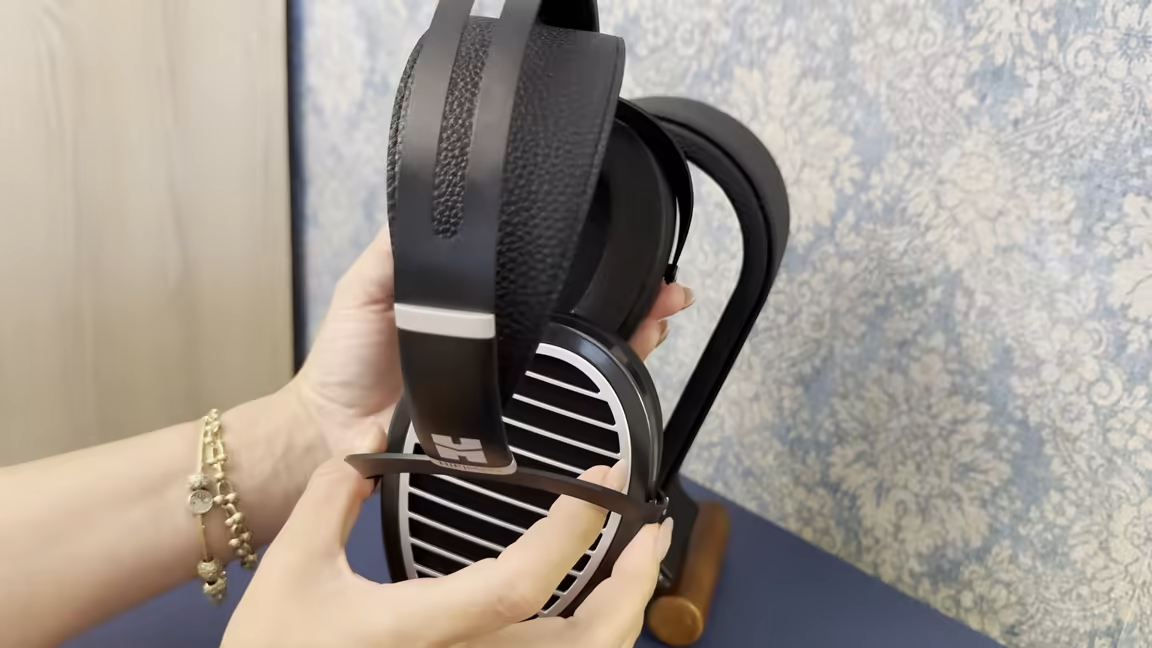
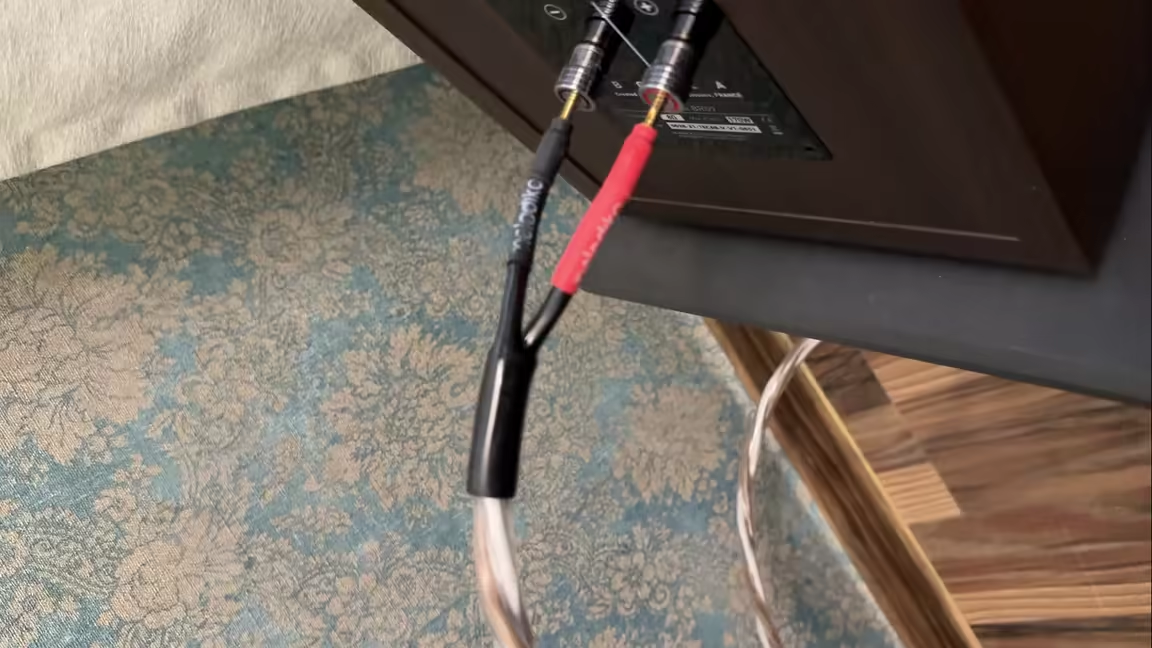
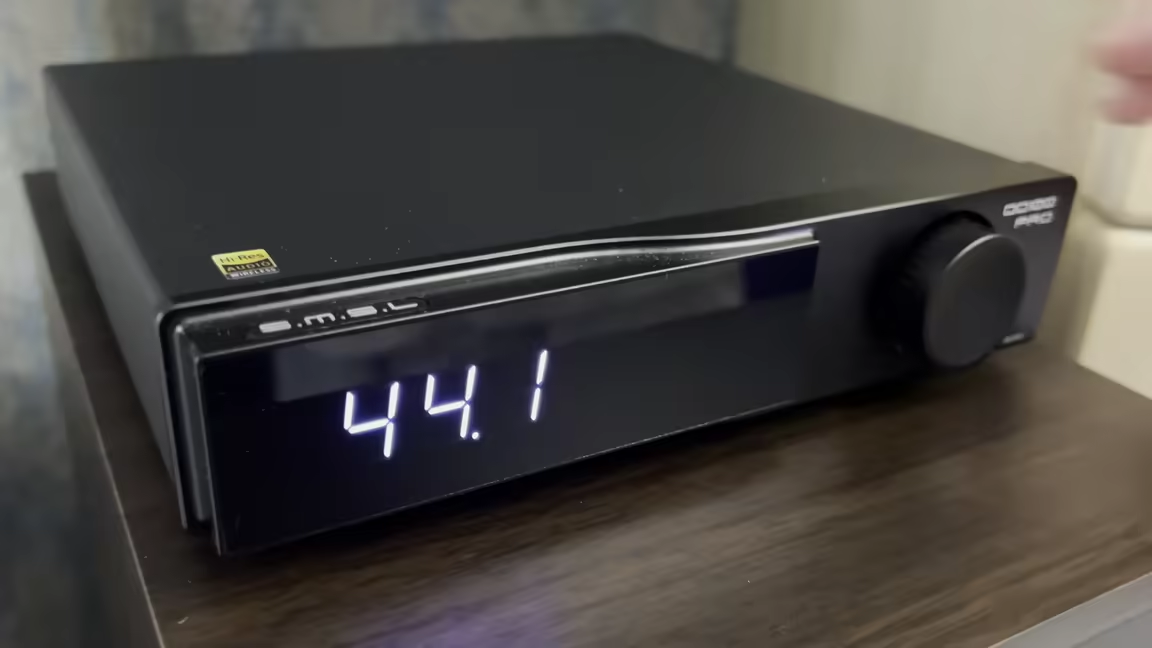
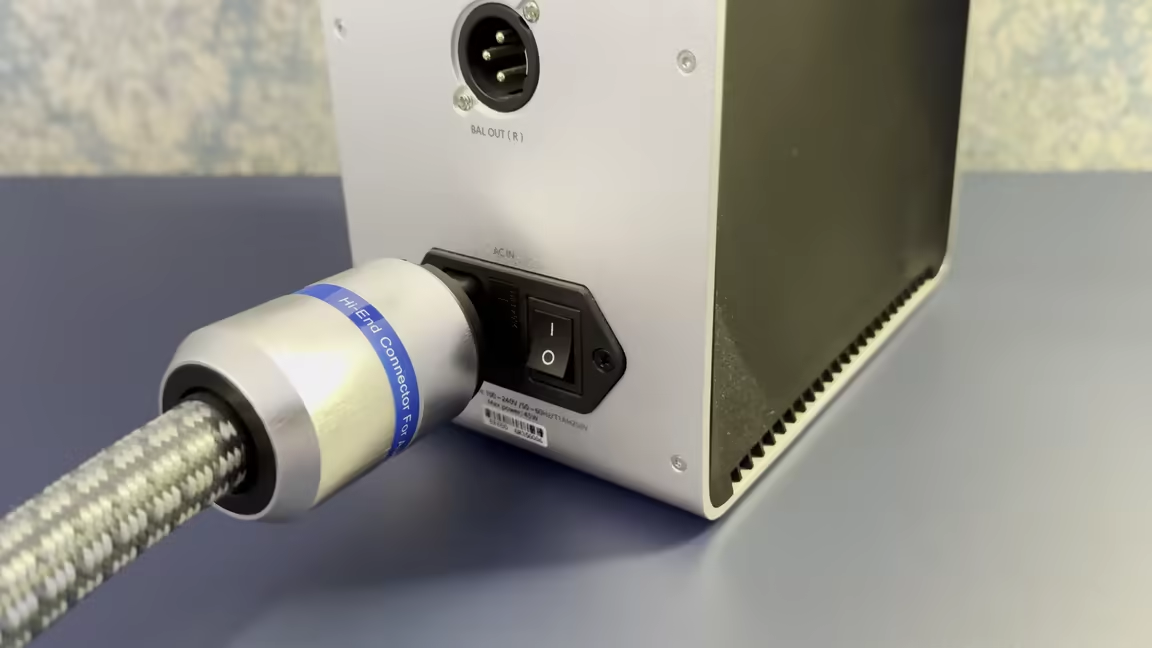
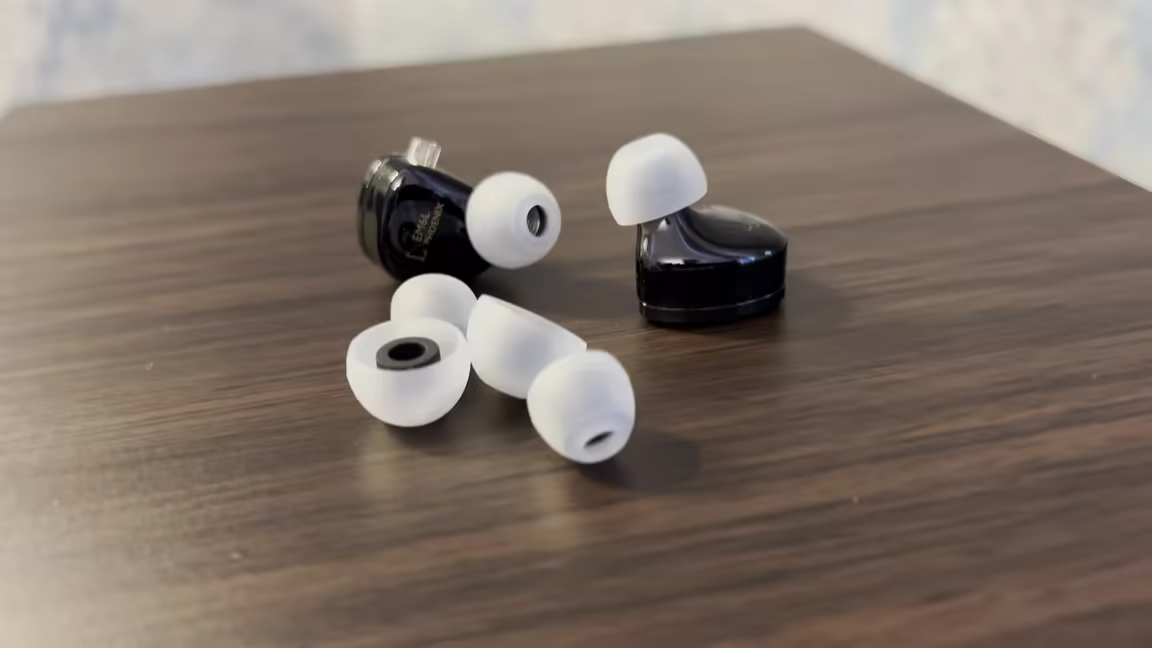
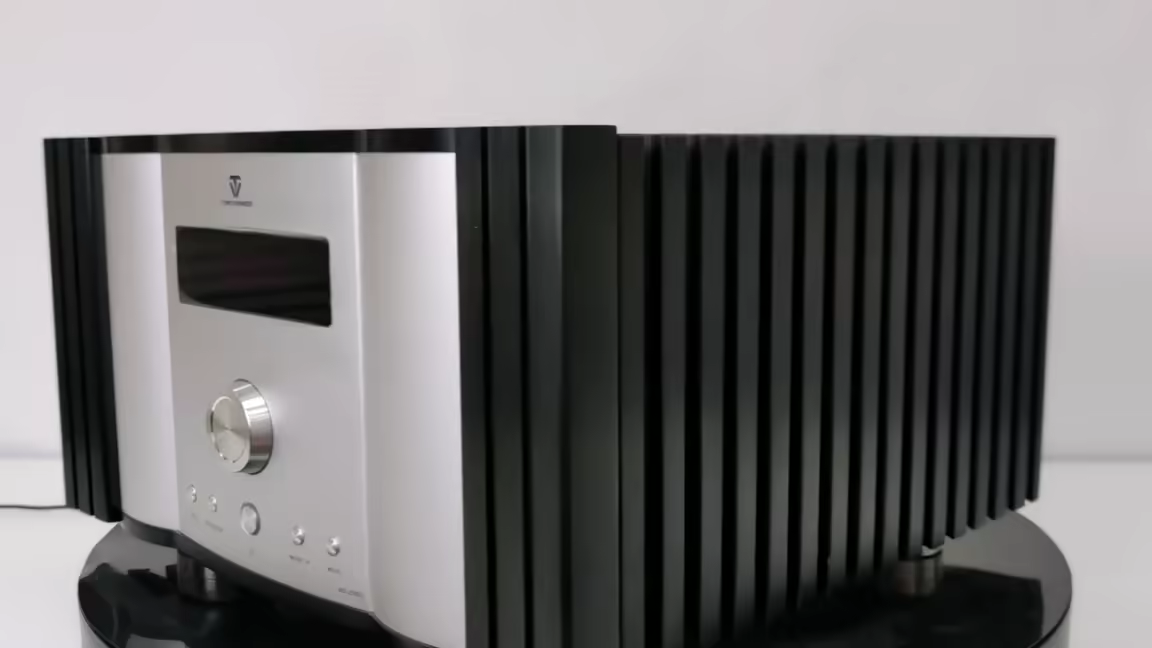
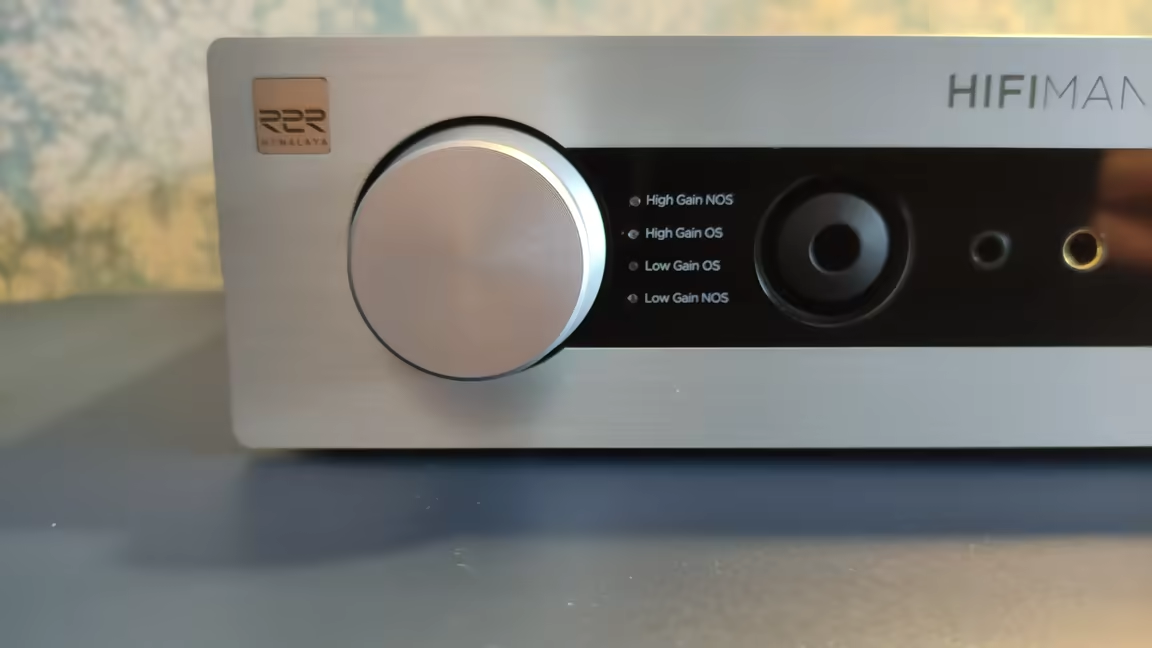
Headphones (open-back, closed-back, planar magnetic, dynamic, IEMs), loudspeakers (bookshelf, floorstanding, active and passive, studio monitors), DACs (delta-sigma, R-2R ladder, NOS, USB and balanced), amplifiers (headphone amps, integrated, tube and solid-state, Class A/AB/D), sources (network streamers, transports, turntables), and accessories (cables, isolation, room treatment, headphone pads).
How do I find the best gear in my budget?
Open the category page that matches what you are buying (headphones, speakers, DACs, etc.), sort by score, and look for pieces tagged "Highly Recommended" or "Reference". Each review includes the price tier and direct comparisons against gear in the same bracket, so the best value is usually the highest-scoring piece at or below your budget.
What is a Reference verdict?
Reference is the top of the verdict scale. It means the piece is a benchmark in its category, the unit other gear in the same class is judged against. Reference is not necessarily the most expensive option; it is the best at what it sets out to do, with no meaningful flaws holding it back at its price tier.
How often are new reviews published?
Roughly weekly during normal periods, sometimes longer when a flagship piece needs an extended listening window (four to eight weeks is typical for top-tier headphones, amps, and DACs). Subscribe to the RSS feed to get every new piece without checking the site manually.
Can I trust audiophile reviews online?
Trust the reviewer who publishes their methodology, names the comparison gear, discloses every loaner unit, and writes negative verdicts when the gear deserves them. Every review on The Audio Stuff lists those things at the top and bottom of the page; there are no sponsored verdicts and no pre-publication review for brands.
Why do older review scores sometimes change?
Because the reference list updates. Every score on this site is anchored against the current reference in its category. When a new piece earns Reference status and resets what 9.5 means for, say, a planar magnetic flagship, older scores in that bracket can move. Updates are dated in the review header and the original score is preserved in the change log so the history stays auditable.
How do I compare scores across different gear categories?
Directly. A 9.0 on a headphone, a 9.0 on a DAC, and a 9.0 on a bookshelf speaker carry the same weight. Each one is top-of-class within its category, judged against the same percentile of its category reference list. The reference list is what makes cross-category scores comparable; absolute price, sensitivity, or topology do not enter the score.

 DACs DA 256