Accessory reviews for the parts of the chain that do not get enough attention - speaker cables, interconnects, power, USB and Ethernet cables, grounding, power conditioners and filters, a network router, and acoustic treatment. Each is heard in a real system, in sighted comparisons, and called out plainly when it made a difference and when it did not.
Filter the accessory reviews below by list price, or start from the ranked shortlist in Best Hi-Fi Accessories.
Filter by list price. Pick within a row to widen; combine rows to narrow. Only options the catalogue actually covers are shown.
List price
Brackets go by each product's list price in US dollars. A euro price counts as the approximate dollar figure printed beside it.
Network Router UEF
7.8
Recommended
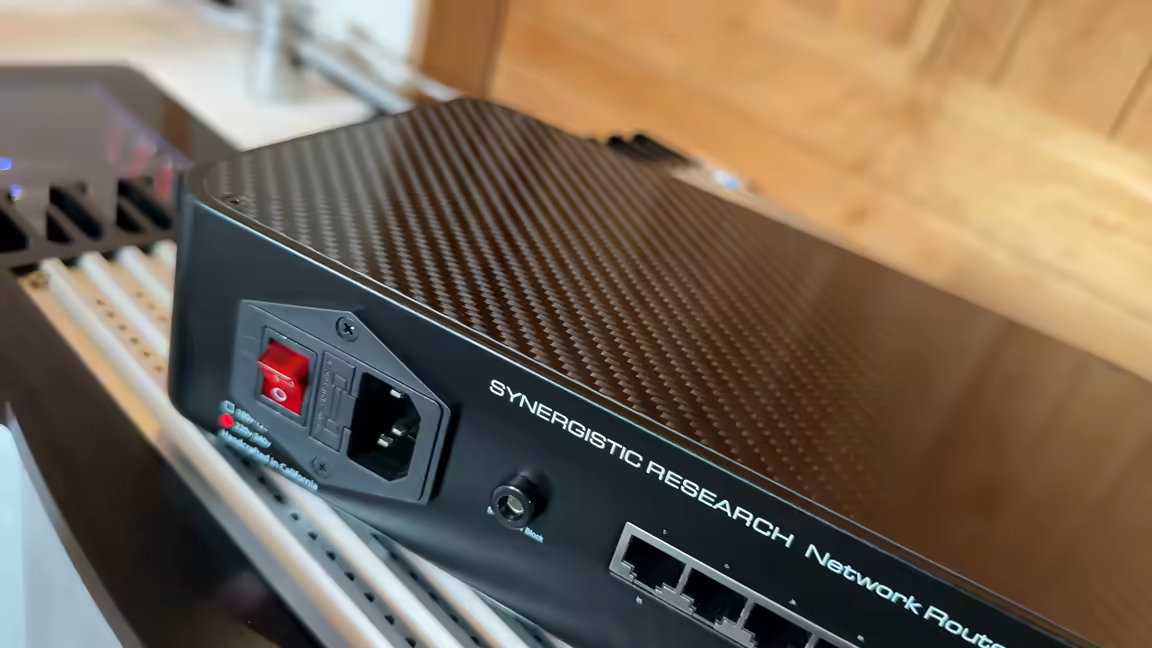
Synergistic Research Network Router UEF Review: Does a $3,000 Router Improve Sound?
A wired-only audiophile router with a linear power supply, EM cell, ULF generator and carbon fiber voicing. In my system it lowered the noise floor on everything I stream.
Watch out for: Three thousand dollars, for a network router
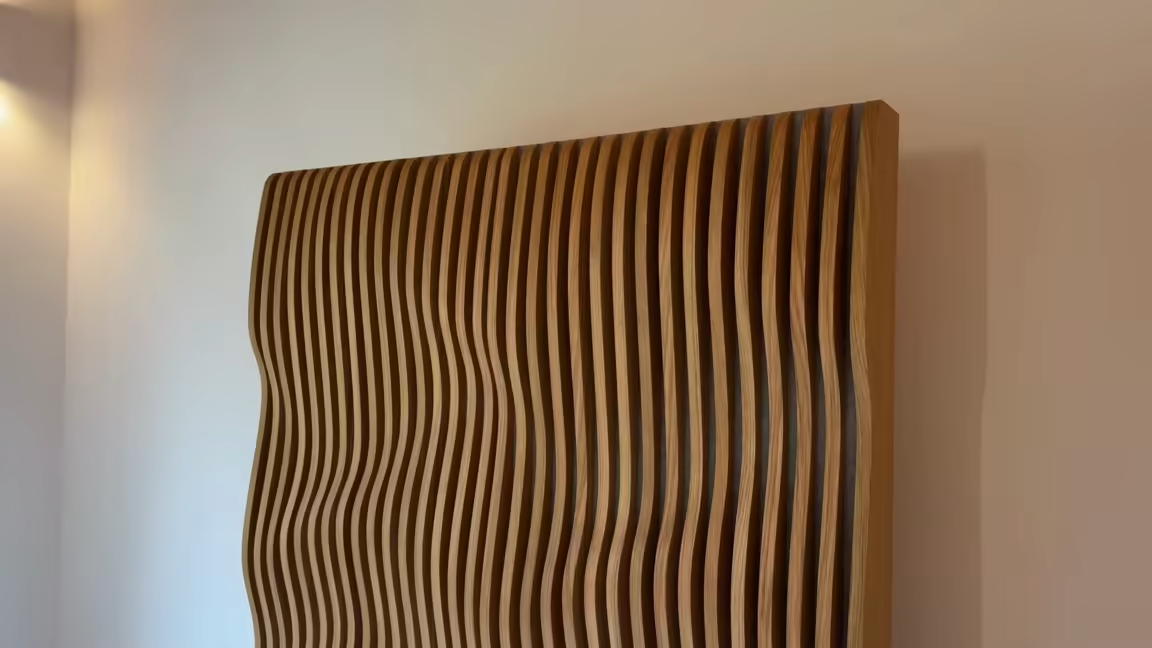
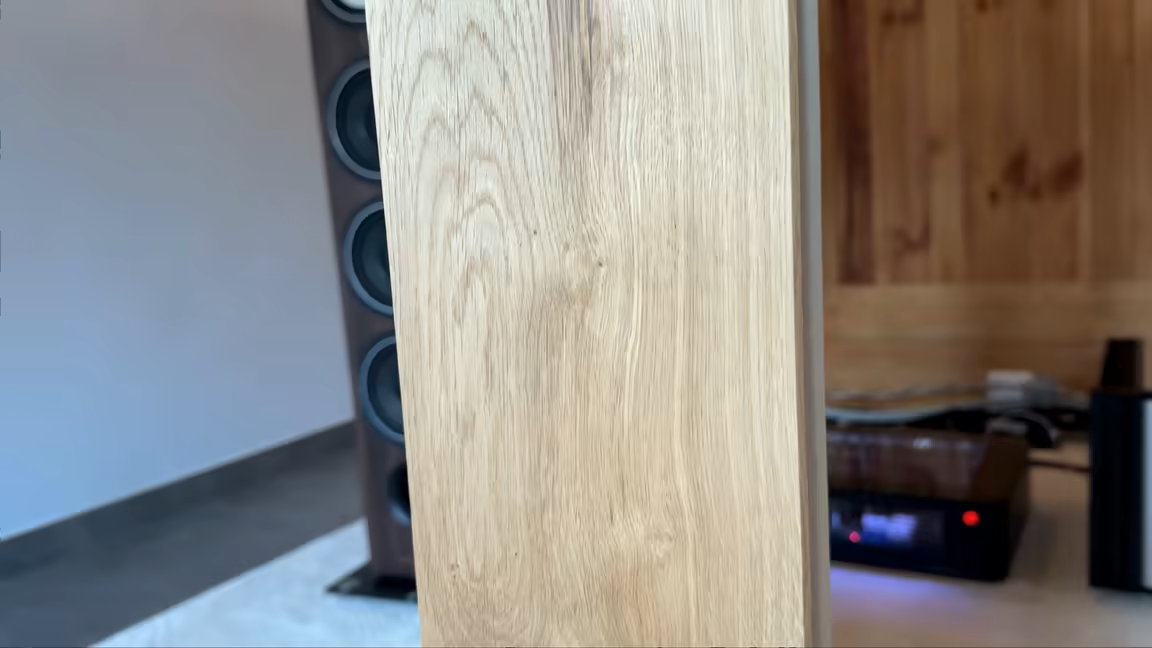
Ortvik Parametric Tower Review: An Acoustic Panel and Diffuser
A freestanding acoustic tower that scatters and absorbs at the same time - handmade Czech oak over a recycled PET felt core, placed wherever the room needs it.
Handmade Czech acoustic panels with a luxurious wood frame and PET felt core - true broadband absorption to 100Hz, zero fiberglass, and a 0.94 NRC rating.
Watch out for: 15cm Performance Bass version is chunky on the wall
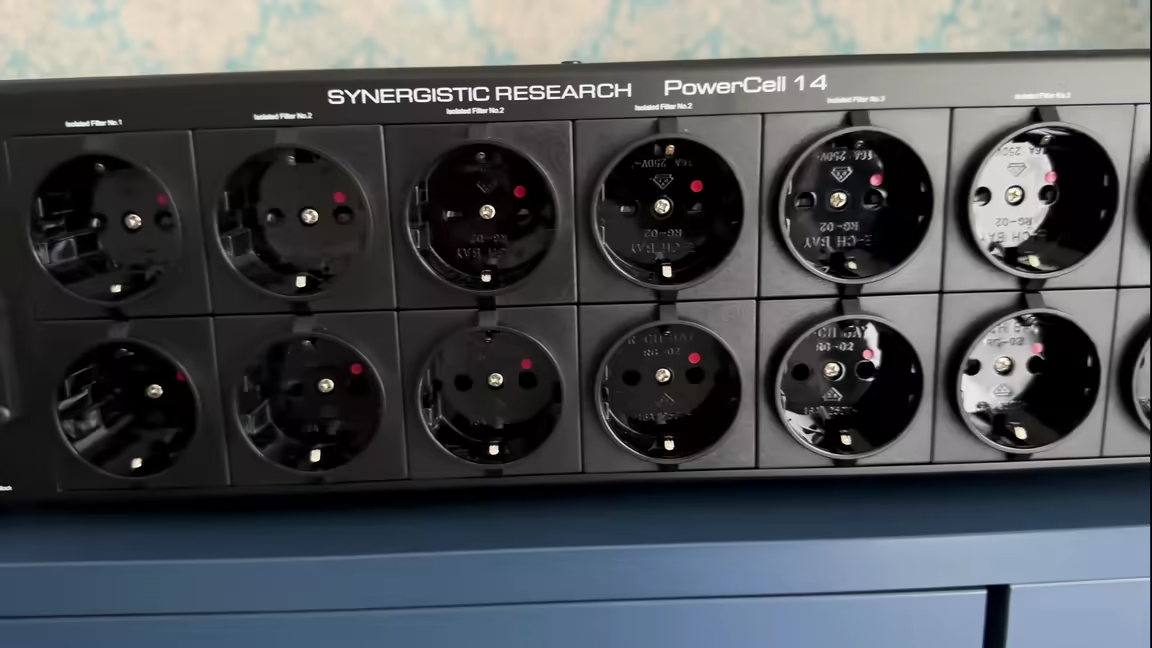
Synergistic PowerCell 14 Review: A $15K Power Conditioner?
A 14-outlet flagship power conditioner with seven SRX folded EM cells, ULF+DC biasing, graphene treatment, and a silver matrix ground strap - a tier above any 'power strip'.
Watch out for: $15,000 entry price is far from affordable
3 Audiophile Tweaks That Actually Work: Cables, Power, Filters
Three real tweaks that improve a high-end system without swapping speakers or amps - audiophile network/USB/digital cables, AC power conditioning, and parallel filtering.
Watch out for: Improvements are cumulative, not night-and-day
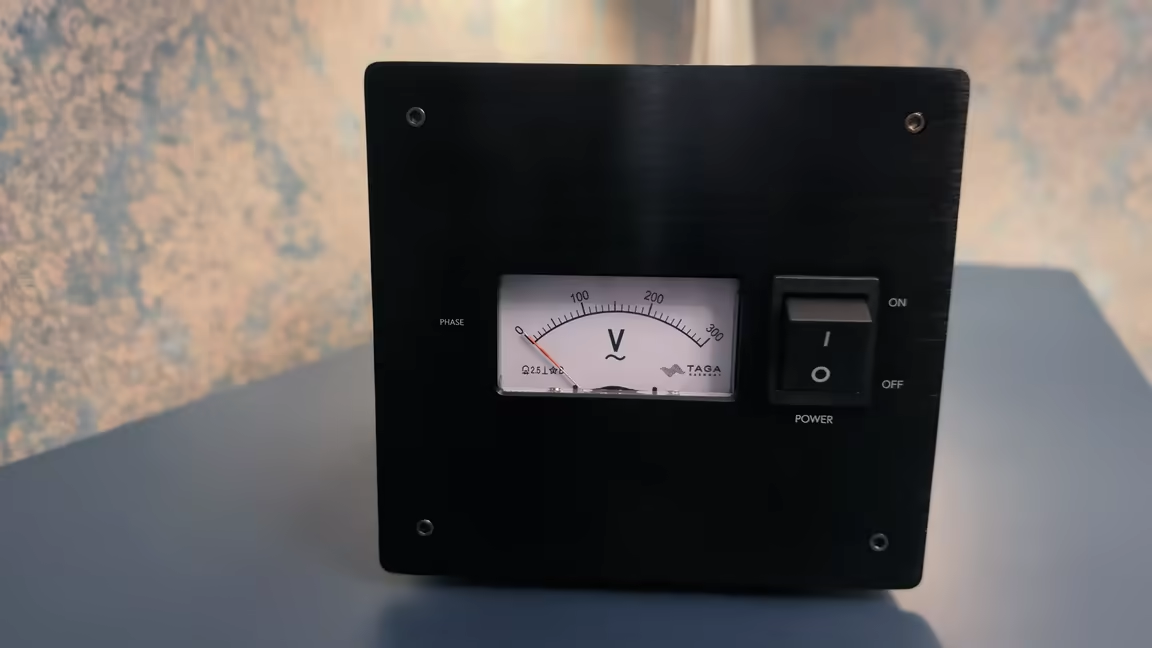
Taga PF-1000LPS Review: A Serious 8-Outlet Power Filter
A serious 8-outlet power filter with a linear DC/USB supply, 3-tier filtering, audiophile fuses, and a phase detector - real protection and a measurable noise drop.
AudioMica 4-all-in-1 Cable Set Review: HiFi Cable Synergy Solved
A pre-matched cable kit at €790 (or PRO version) - speaker cables, power cord, and shared geometry tuned together to give you synergy out of the box without trial and error.
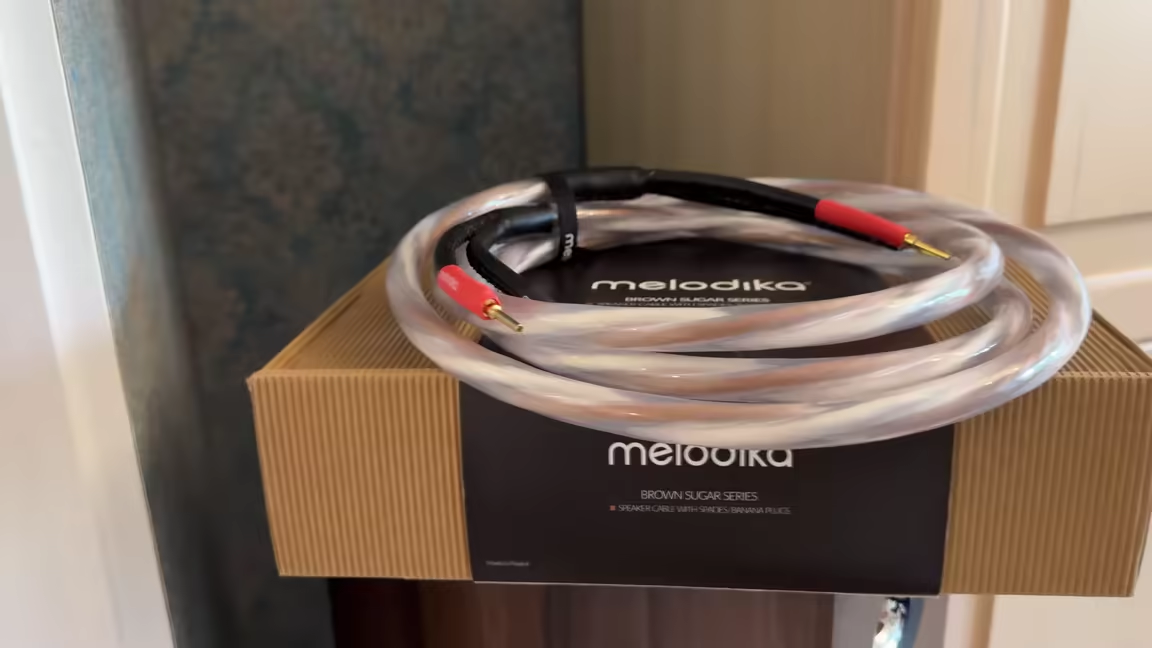
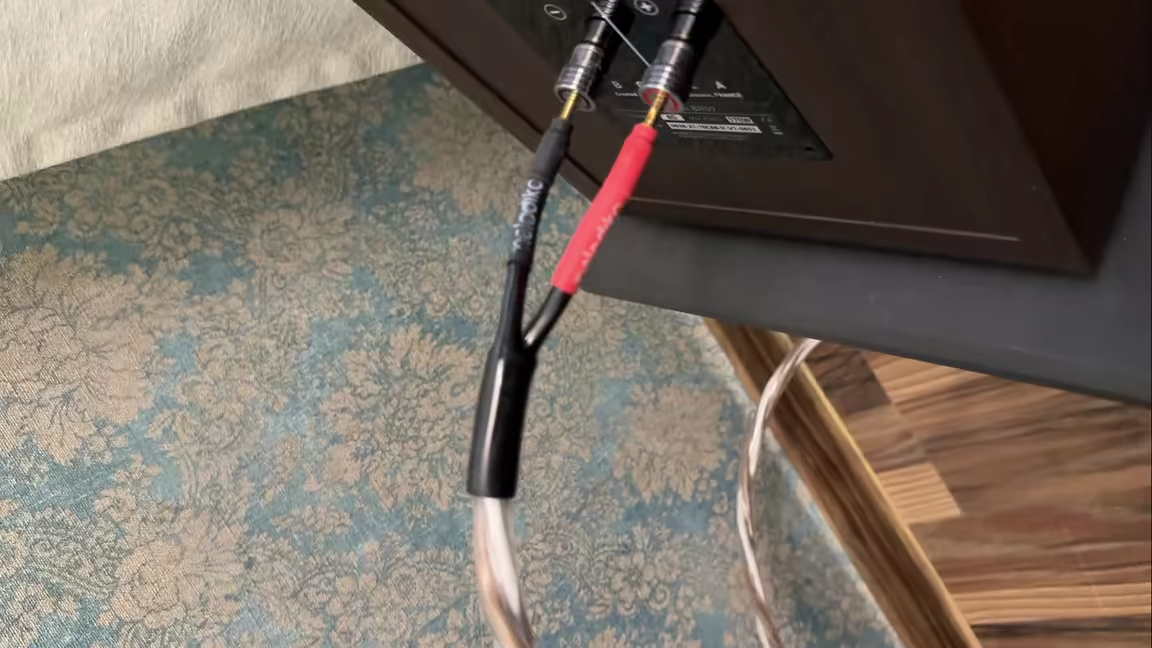
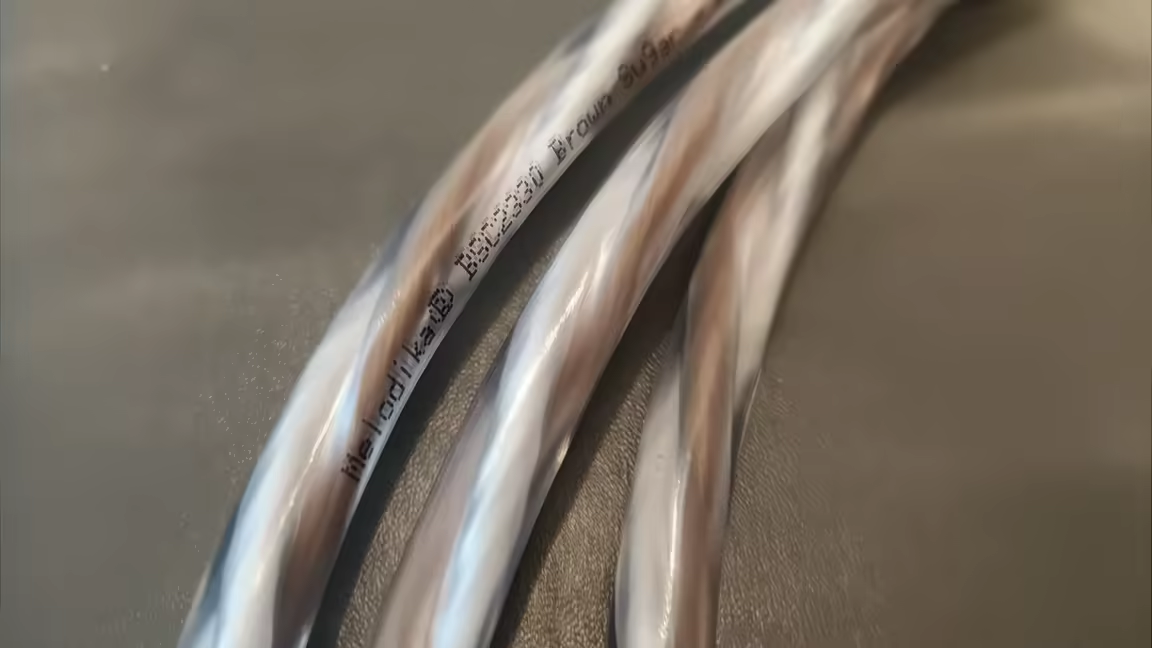
Melodika BSSC95xx Review: Does a 9.5mm² Speaker Cable Actually Help?
Melodika's flagship 9.5mm² LITZ speaker cable - super thick OFC copper, hand-finished Italian leather, and a big improvement in extension, dynamics, and treble air.
Watch out for: Heavy and stiff due to massive thickness
Melodika BSSC4500 Review: Are Thicker Speaker Cables Better?
A higher-tier 4.5mm² LITZ speaker cable that delivers tighter mid-bass, better instrument separation, and a more natural, lifelike sound - a clear upgrade over the BSSC3300.
Watch out for: About 50% more expensive than the BSSC3300
Monosaudio P902E6R Review: Sub-$150 Power and USB Cables
Sub-$150 high-end power cables and audiophile USB cables that brought tighter bass, a wider soundstage, and unexpectedly large clarity gains across an entire HiFi chain.
Watch out for: Power cable itself is stiff (especially at shorter lengths)
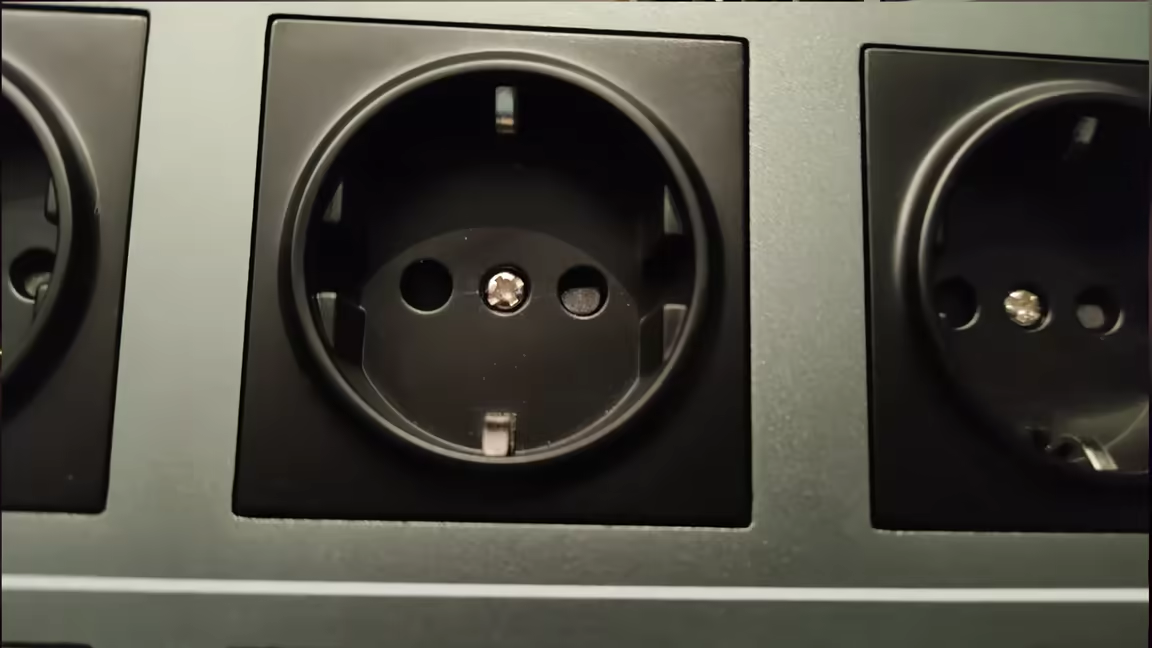
Monosaudio AS-EU08 + SP-USB Review: Power Filters for a Darker Background Without PS Audio Money
An affordable alternative to PS Audio and AudioQuest. The AS-EU08 paired with the SP-USB delivers a darker background, lower noise floor, and a more refined sound.
Watch out for: Total cost climbs once you start adding both pieces
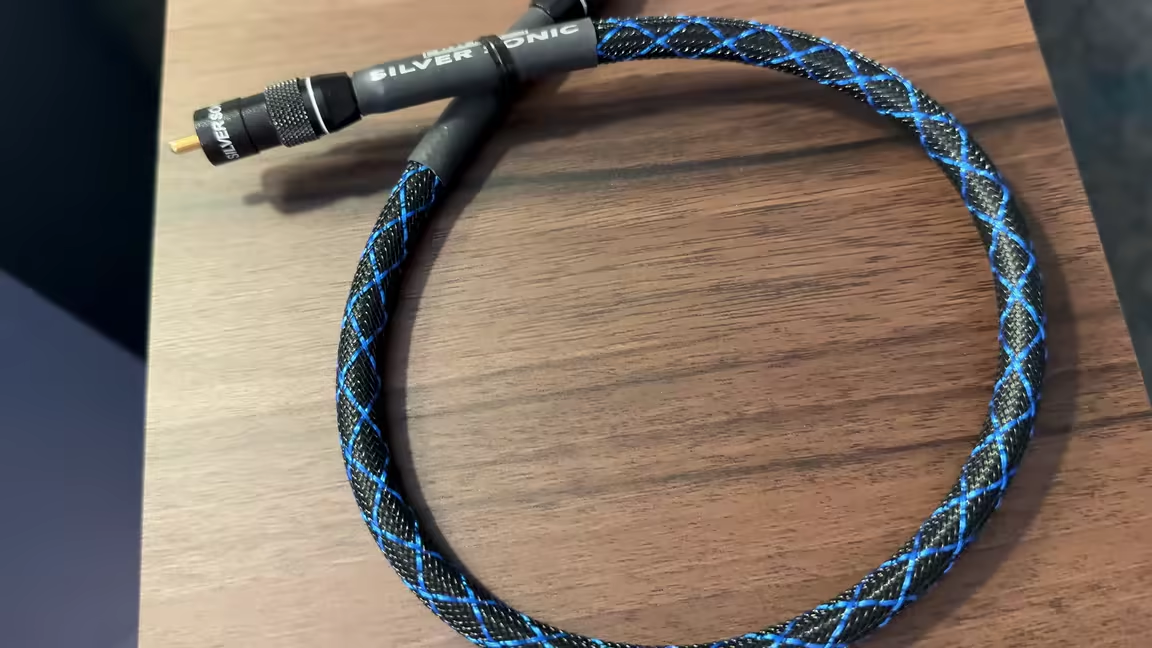
Monosaudio Cables Review: Can These Chinese HiFi Cables Make a Difference?
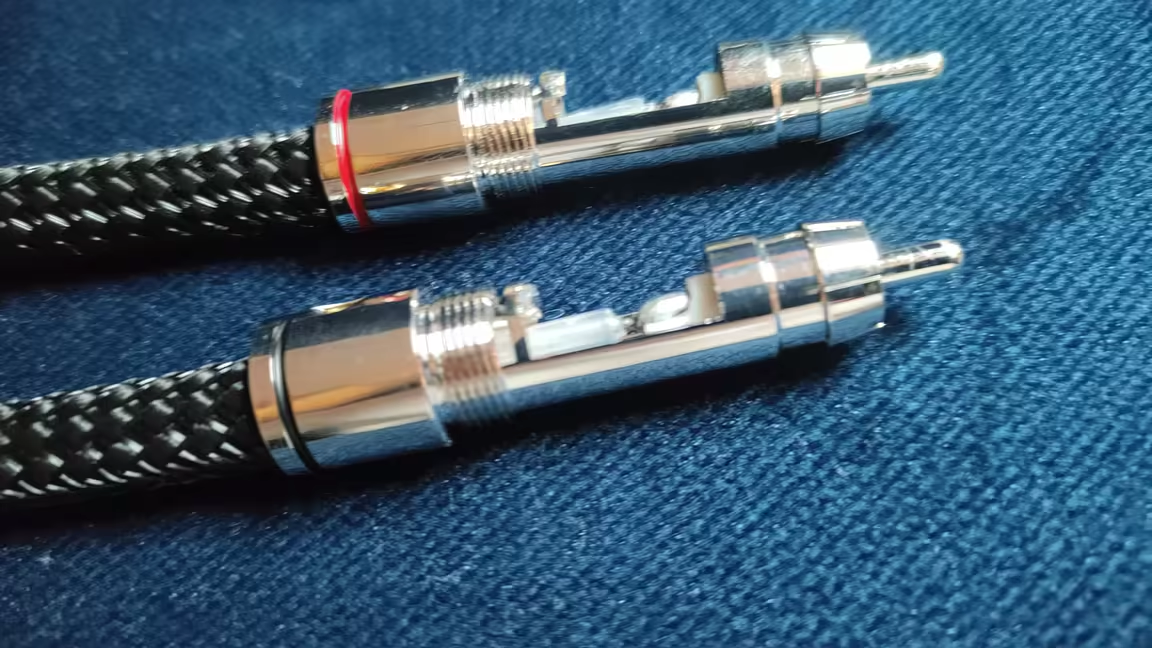
Affordable audiophile cables from AliExpress that genuinely deliver - silver RCA interconnects, OFC CAT 8 Ethernet, and a power cord with real, audible improvements.
Watch out for: Improvements are small and system-dependent
The buying guides that rank these reviews, and the free calculators that answer the questions they raise.
Best Hi-Fi AccessoriesThe best hi-fi accessories of 2026, $30 to $14,495: acoustic panels, power filters, cables and a wired router, each with what it changed in a real system.
VisualizerRoom Mode CalculatorMap every standing wave resonance up to 300 Hz in rectangular, L-shaped, round, and arched-ceiling rooms. Canvas visualizer shows nodes and antinodes. Tells you where to sit and where to place bass traps.
TestABX Blind TestEight built-in synthetic test pairs, no upload needed - or drag in two files of your own, DSD included, checked for what actually differs. Loudness-matched and sample-accurate, with a blind preference mode and a shareable certificate.
CalculatorSpeaker Wire Gauge CalculatorSpeaker cable resistance, system damping factor, and signal loss in dB for any gauge and length, and the minimum gauge for your run.
How accessory reviews work on this site
Accessories are easy to over-claim and hard to test honestly, so this category gets the same chain-and-listening discipline as the transducers and amplifiers do: same room, same source, same reference. The listening is sighted and nothing is bench-measured in-house, which matters more here than anywhere: the changes claimed for cables, power and network products are small and disputed, and small differences are what a listener who knows what is playing is most likely to hear either way. A review in this category reports what one writer heard; none is a blind test.
A score here compares best with the other scores on this page. What earns the points on each of the five rubric axes (how a score is built) is specific to the category, and in accessories it is this.
Claimed effect, against the figures scored under Technical performance 25%
What the product claims to change (noise, grounding, absorption, a cable's resistance or capacitance), set against the maker's published figures where there are any, such as a panel's NRC, and against what was heard on the chain.
What was heard scored under Sound 30%
Sighted A/B comparisons on the chain, written up as heard, including when the answer is "nothing". A change heard this way is one listener's impression and has not been confirmed blind.
Build quality and longevity scored under Build & comfort 15%
Materials, connector reliability, jacket flexibility, expected lifespan. An expensive cable that fails at the termination is a worse buy than a cheap cable that lasts a decade.
Compatibility scored under System fit 15%
Does the accessory work with the gear it claims to: connector types and lengths, conditioner outlet count and spacing for large plugs, a panel's footprint and depth against the wall it has to fit. The most expensive piece is useless if it does not fit.
Value and honesty scored under Value 15%
Whether the price reflects materials and engineering, or marketing. The lowest-scored pieces in this category are the ones whose price tag has no relationship to what the published figures and the listening show.
How to read the scores: Accessories are scored on the same 0-10 rubric as everything else, but the bar is calibrated to the category. A 9.0 accessory is one the reviewer heard the chain benefit from clearly, a Synergistic Research PowerCell-class piece. A 7.0 accessory does what it claims; an accessory below 6.0 either fails its own claims or asks more money than the audible benefit justifies.
Terms you will hit in the reviews
Power conditioner
A device that filters mains supply for noise rejection and surge protection. Audibly useful in electrically dirty environments; often inaudible on clean dedicated circuits.
Grounding cable
A lead that ties a component's chassis or signal ground to a common, quieter reference. Where a ground loop or a noisy ground is putting hum or haze under the music it can be clearly audible; on a system that is already silent it has nothing to fix.
A broadband absorber designed for sub-300 Hz frequencies. Placed at room corners to address the worst standing-wave peaks identified by the room-mode calculator.
Interconnect
A signal-level cable between two components, typically RCA or XLR. At line level over short runs, electrical differences between competently-built cables are small.
A cable construction using many individually insulated strands, used in headphone cables and some interconnects to reduce skin-effect losses at audio frequencies. Real engineering benefit at high frequencies, near-zero benefit at audio.
We do not score accessories by their marketing. A mains conditioner that does nothing audible in a clean electrical environment gets the verdict it earned, and so does a cable that changes nothing on the chain.
Accessory reviews: common questions
Buying advice, terminology, and how the accessories category is reviewed on The Audio Stuff.
Do audiophile cables actually make a difference?
For interconnects below ~3 m at line level, vanishingly small audible difference between properly-built cables. For speaker cables, gauge and length matter (covered by the speaker wire gauge calculator), brand mostly does not. For phono cables, capacitance is real and audible, covered by the cable capacitance tool. For power cables, audible differences are extremely controversial under blind testing.
Can a network router or an Ethernet cable change the sound?
The bits cannot change - a streamed file arrives identical or it does not arrive at all. What can change is the electrical noise that travels with the network into the streamer and DAC. That is the only mechanism an audiophile router or cable can work through, which is why the reviews here describe any difference as a darker background rather than a new tone, and why a claim that one changes tonality should be treated with suspicion.
How important is room acoustic treatment?
For speakers, critical. Most rooms have 6-12 dB peaks and nulls in the bass and harsh first reflections that smear imaging. Bass traps in corners, broadband absorption at first reflection points, and a rug between speakers and chair give a bigger sound improvement than upgrading any single component. Use the room modes calculator to find the worst frequencies first.
Is a grounding cable worth trying?
If your system hums or its background is not quite black, yes, because the fault it addresses is real: a ground loop or a noisy ground reference puts a hum or a haze under the music. If your system is already silent with nothing playing, a grounding cable has nothing to fix. It is one of the cheaper experiments in the accessories field, and the one whose effect is easiest to hear in the gaps between tracks.
Is power conditioning worth the money?
In quiet electrical environments (single-family homes far from industry, on a clean dedicated circuit), usually no audible benefit. In noisy environments (apartments, offices with switching power supplies, near factories or solar inverters), real benefit, especially for high-gain phono stages and tube amps. Test rather than assume; differences are environment-dependent.

 Network Router UEF