
3 Audiophile Tweaks That Actually Work: Cables, Power, Filters
Three real tweaks that improve a high-end system without swapping speakers or amps - audiophile network/USB/digital cables, AC power conditioning, and parallel filtering.
- Standout
- DH Labs Reunion Cat8 reduces digital haze, sharpens imaging
- Watch out for
- Improvements are cumulative, not night-and-day
- Closest rival
- Monosaudio PS75R1R, CAT 8, P903M0: list price From $30, a near-tie on score.
Pick #10 of 13 in our Best Hi-Fi Accessories guide.
When we want to improve our HiFi stereo systems, we often think about new speakers or electronics. But there are other things you can try - audiophile tweaks and additions that can take your system to the next level. Today, I'm going to share three secrets with you. The last one might really surprise you.
Small clarity gains from DH Labs cables
When we're looking to get the best sound, we often think about the big components. But today, we're looking at lesser-known aspects.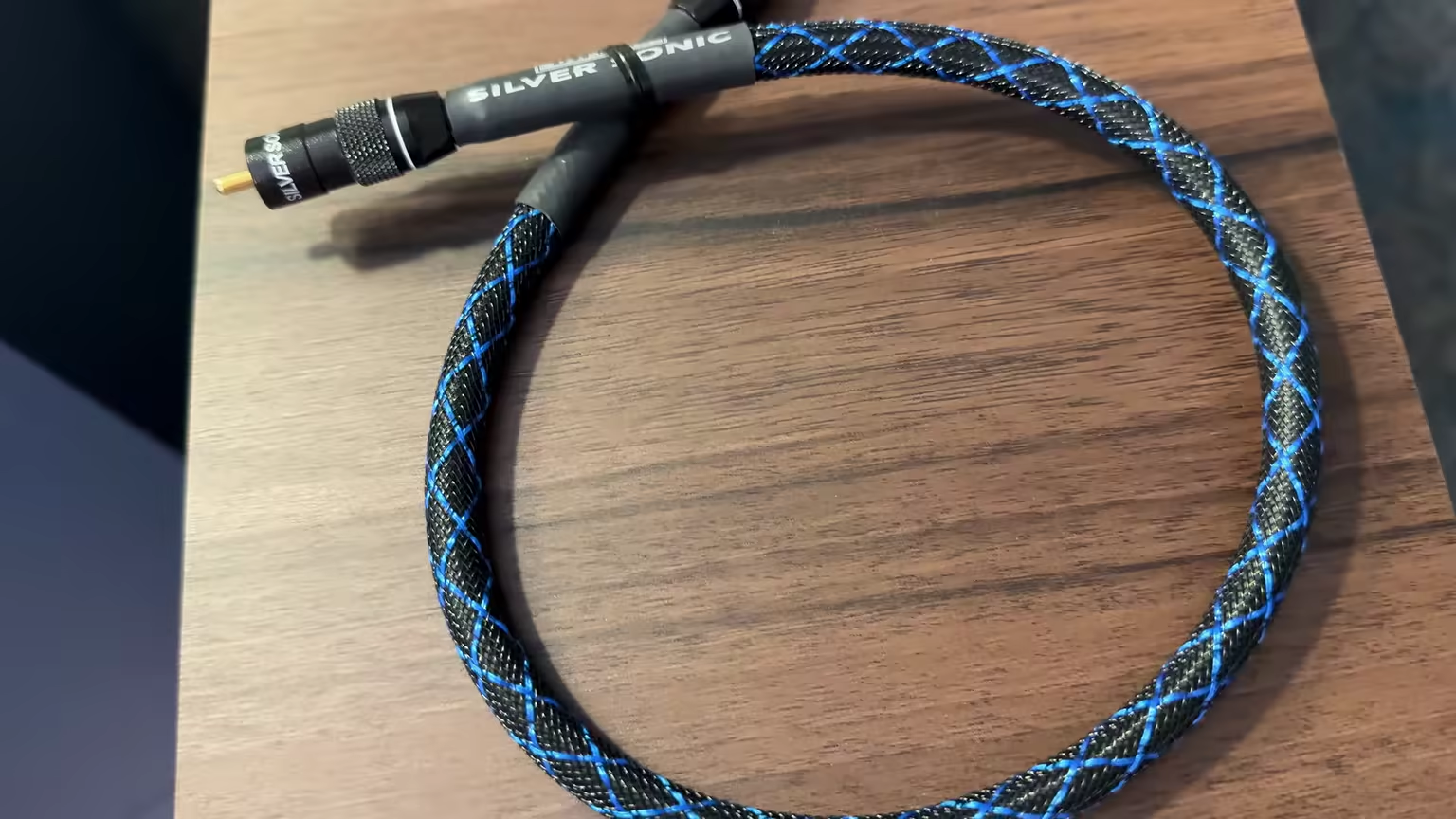 (view larger)
Reunion Cat8 Ethernet Cable
First up is the DH Labs Reunion Cat8 Ethernet cable. Some say they make no difference to the sound, while others swear by them. The sonic improvement I experienced was in the clarity and focus. It was as if a fine layer of digital haze had been lifted. The instruments seemed a touch more defined in space, and there was a subtle increase in the overall sense of quietness between the notes, allowing micro-details to become more apparent. It wasn't a night-and-day change, but the cumulative effect of using higher-quality Ethernet cables across my network setup was noticeable enough to make me a believer that, in the right system, they can contribute to a slightly more refined sound.
Silversonic HDMI 2.1 Cable
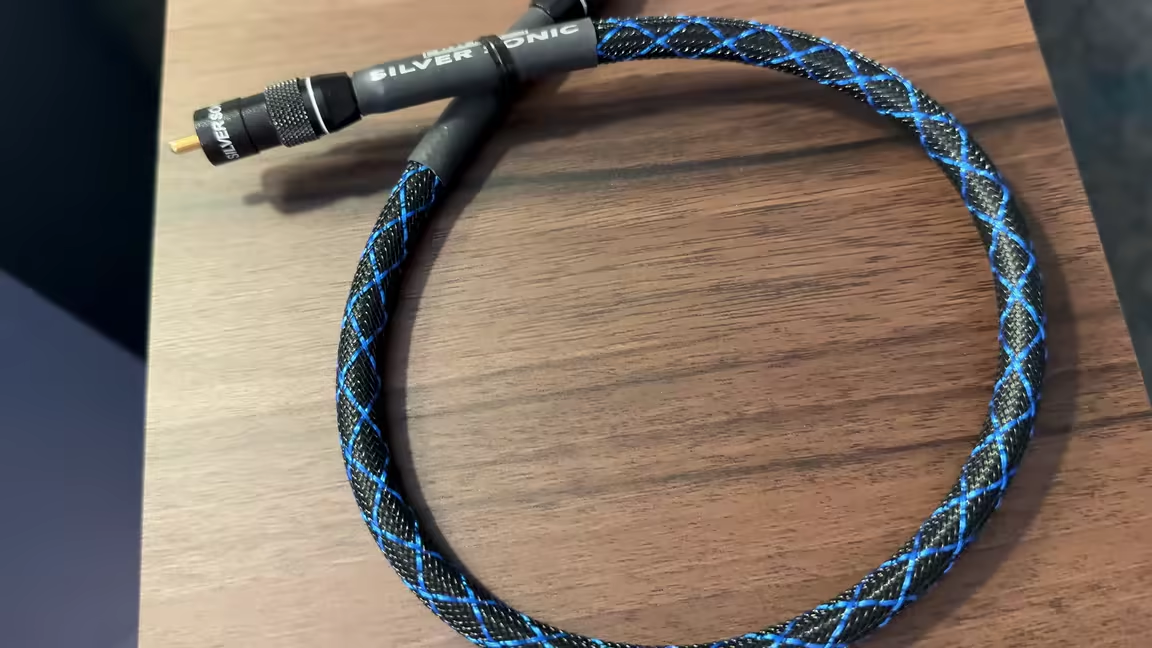
Next, we have the DH Labs Silversonic HDMI 2.1 cable. This isn't just for audio - it's for high-end video too. It can handle really high resolutions, up to 10K, and fast frame rates. The build feels like a regular cable, but for lengths over 3 meters, they've used a combination of optical and traditional wiring to make sure there's no loss of signal.
In my system, I use them for my I²S connection. It resulted in an increase in sonic purity. The soundstage opened up a bit, and there was a greater sense of instrumental separation, where the edges of the notes seemed cleaner, and the overall presentation felt more articulate and less congested.
Mirage USB Cable
Moving on, we have the DH Labs Mirage USB cable. USB connections can introduce audible noise or ground loops into the audio signal. This actually separates the wires for the audio data and the power. They're separately shielded, and there are four shields in total. The connectors feel high quality, and the cable is rather thick. In terms of sound, the Mirage USB is very transparent, allowing a lot of detail to come through, especially with high-resolution audio files. It's designed to minimize reflections, which is important for accurate digital sound. However, it mostly just allows for high-quality files to be fully transmitted over the USB connection.
D-750 Digital Coax Cable
Then, we have the D-750 Digital Coax cable. If you're using a separate digital transport or streamer connected to a DAC, this is the kind of cable you'd use. It's built to maintain a consistent 75Ω impedance. It uses a super solid, silver-coated copper core and a special type of insulation. The shielding is also designed to really reject noise. This cable can bring improvements like smoother highs, tighter bass, and a fuller midrange. For a digital connection, this seems like a well-regarded option, especially when it feels like it can last a lifetime.
Air Matrix Cryo Interconnects
Finally, let's move on to analog interconnects - the Air Matrix Cryo. The original Air Matrix has been known to produce impressive results in any system. Looking at the build, it features multi-strand, silver-coated Continuous Crystal copper conductors. What's interesting is their proprietary ultra low-loss Air-PTFE dielectric, which is 60% air. This energizes soundstage detail and depth, creating more focus. Furthermore, these cables are cryogenically treated. This is meant to enhance spatial cues, widen the soundstage, and create more vivid imaging.
iFi fixes for amp hum and network noise
My second secret isn't about anything flashy or well-known. We're looking at two clever little boxes from iFi Audio: the DC Blocker+ and the LAN iPurifier Pro.
iFi DC Blocker+
Let's start with the DC Blocker+. You know that annoying, low-level hum or buzz? Not from your speakers, but coming directly from your amplifier itself? Especially amps with big toroidal transformers? That's often caused by tiny bits of DC voltage contaminating your AC power. This little guy is like a specific medicine for that problem. You just plug it in between your amp's power socket and your power cord. Inside, it's smartly designed to filter out that nasty DC without messing up the power delivery or safety. It's built tough and feels solid with good connectors.
And the result? In my experience, it kills that transformer hum dead, or at least makes it way, way quieter. And it's not just about getting rid of the noise - my system actually sounds better, maybe a bit clearer and more open. It just lets your amp breathe and do its job properly.
iFi LAN iPurifier Pro
But what about the noise coming from your internet connection? Enter the iFi LAN iPurifier Pro. This thing is pretty high-tech under the hood.
Its main trick is Optical Galvanic Isolation. Basically, it takes the network signal, turns it into light, shoots it across a tiny gap, and turns it back into an electrical signal on the other side. That physical gap stops noise from traveling down the cable into your sensitive audio gear.
It also actively cleans up the timing of the data signal itself, fighting jitter. Build-wise, it's a solid metal box with chamfered edges that feels premium, and even has status lights on the front.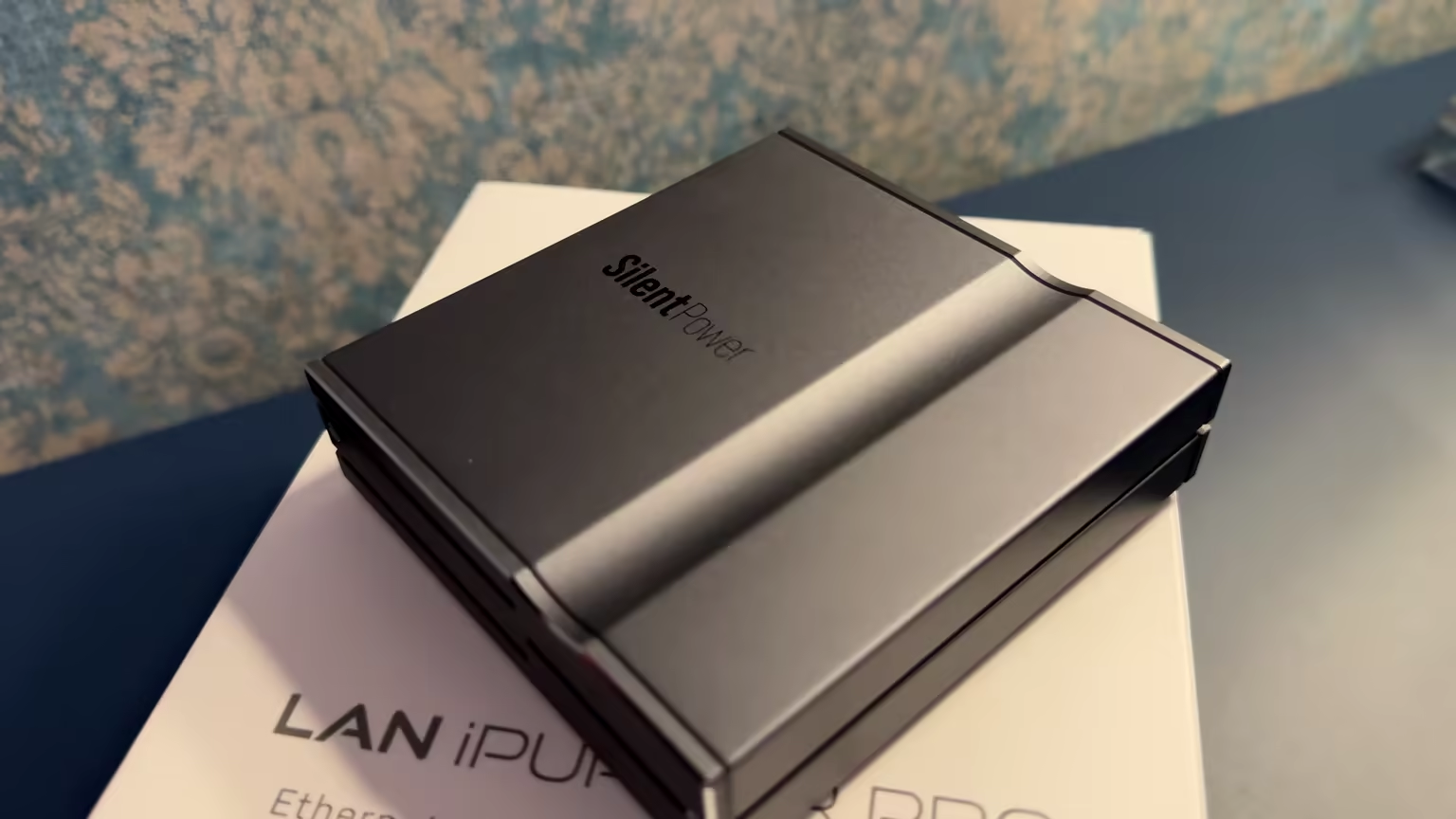 (view larger)
What does it do for the sound? Backgrounds get quieter, allowing more detail through. The sound gets more natural, with less 'digital glare'. It's more relaxing, and just more engaging. Even regular streaming like Spotify can apparently benefit if your system is revealing enough, but please use it with lossless files. It basically aims to deliver the cleanest possible data stream to your player.
These little problem-solvers show it's not always about spending thousands on new amps or speakers.
Vera-Fi parallel filters use a spare outlet
What about the overall quality of the AC power feeding your entire system? This brings us to our third, and perhaps most intriguing, secret tweak: parallel AC power conditioning, specifically looking at some interesting devices from Vera-Fi Audio - the SnubWay Noise Defender and the Main Stream Master Class.
Now, when most people think of power conditioners, they often picture big boxes that everything plugs into, filtering the power in series. But there's another approach called parallel conditioning. Instead of putting a filter directly in the path of the electricity going to your gear, these devices plug into a spare outlet on the same circuit as your audio system.
SnubWay Noise Defender
Let's start with the SnubWay Noise Defender. It uses something called a "snubber" circuit. In very simple terms, snubbers are designed to suppress voltage spikes and high-frequency noise that can ride along your AC power lines. This electrical 'hash' can get into your sensitive audio components and subtly degrade the sound, making it sound less clear, maybe a bit grainy or edgy. The SnubWay is designed to plug into an outlet near your system and essentially absorb or dissipate that high-frequency noise, cleaning up the power in parallel. And physically, it's not just a cheap plastic box. It is housed in solid metal enclosures, giving it a surprising heft and a really sturdy, premium feel.
Main Stream Master Class
Then you have the Main Stream Master Class Dynamic. While it also plugs into a spare outlet, it employs a broader range of filtering techniques, still working in parallel, to clean up the AC waveform and reduce noise across a wider spectrum. It's designed to handle the changing power demands of your audio system without limiting the current. It's built just like the SnubWay - again, reassuringly heavy, suggesting quality components inside. They share that same quality aesthetic, with those distinctive transparent plugs.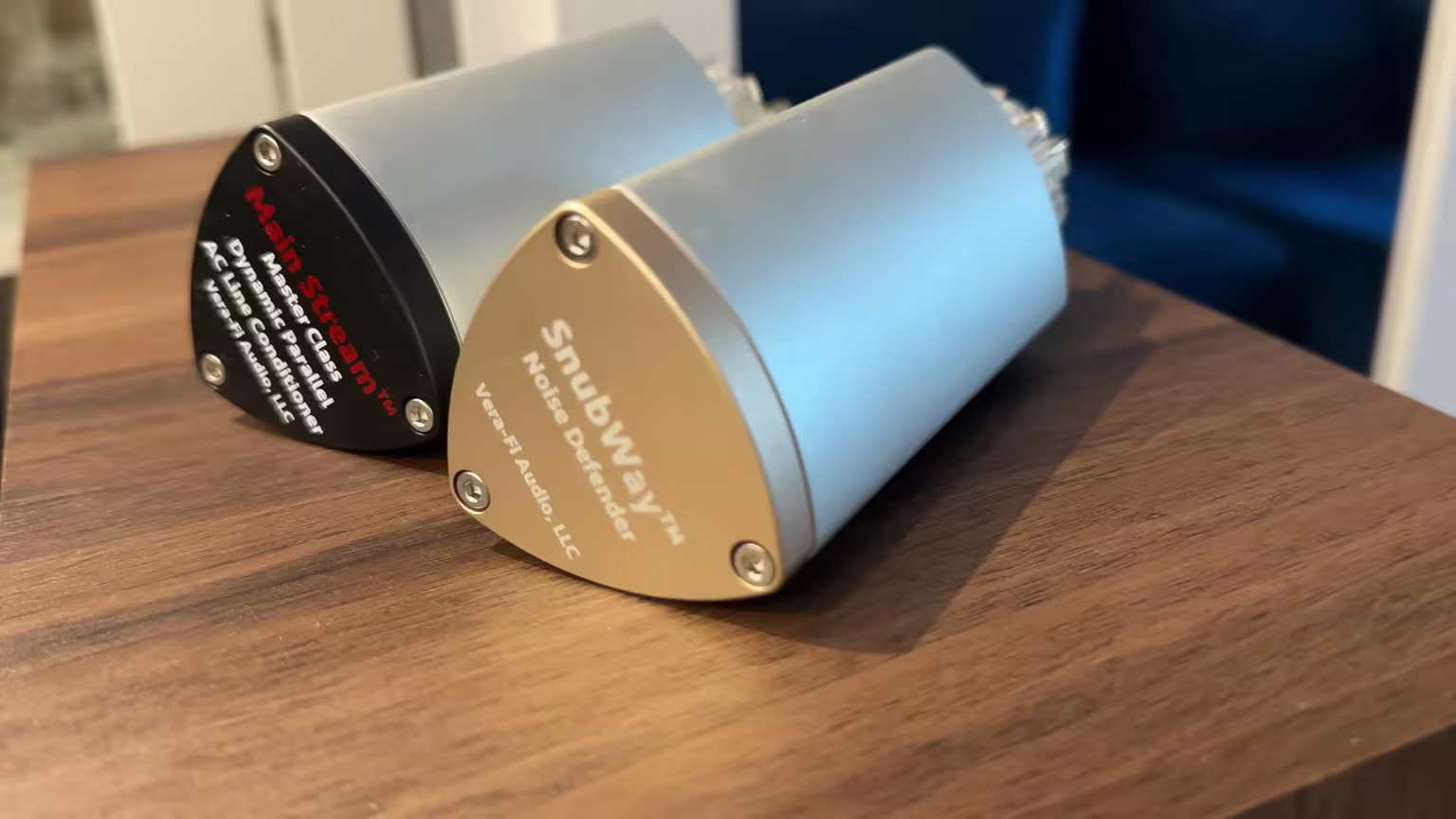 (view larger)
What do parallel power conditioners do?
What do these parallel conditioners do for the sound? When you reduce the electrical noise feeding your gear, you often hear improvements like a 'blacker' background - meaning silences are more silent. This allows fine details, subtle ambient cues, and micro-dynamics in the music to emerge more clearly. You might perceive better instrument separation, a more stable and defined soundstage, and a smoother, less 'electronic' sound overall.
Because they work in parallel, they achieve this without squashing the dynamic peaks or altering the tonal balance in the way some series filters might. It's a less common approach, but one that offers significant sonic benefits without the downsides of series filters, especially regarding current delivery to amplifiers.
Watch the video review
Subscribe on YouTube (opens in new tab)
Prefer to read? The written review above covers everything in the video.
- 0:00 What Is The MOST Underestimated Audiophile Equipment (opens in new tab)
- 0:33 DH-Labs Audiophile-Grade Cables (Interconnects, Digital Cables, Cryogenic Treatment) (opens in new tab)
- 4:15 iFi Audio Silent SilentPower Tweaks (DC Blocker+ & LAN iPurifier Pro Ethernet Conditioner) (opens in new tab)
- 6:58 Vera-Fi Audio Parallel AC Power Line Conditioning (SnubWay & Main Stream - Master Class) (opens in new tab)
Common questions about the HiFi Tweaks Roundup
Are these audiophile tweaks worth the money?
They are for a revealing system that is already settled. The roundup scored 7.8/10, and prices vary by product. These tweaks refine a high-end system without swapping speakers or amps, and the iFi DC Blocker+ fixes one specific fault, transformer hum. Expect cumulative gains, never night and day: several together add up to a real investment, and the last 10% costs the most.
Who should try these hi-fi tweaks?
Owners of a revealing, high-end system whose speakers and amplifier are settled and who want the last refinements from cables, power and network. The DC Blocker+ has the clearest case, with an amp that hums from its own transformer. With a modest system most of the benefits won't show, and without careful comparisons it's easy to hear what you expect.
What alternatives to the HiFi Tweaks Roundup have been tested?
No comparison page covers it. Nearest on score in the same category: the Monosaudio PS75R1R, CAT 8, P903M0 at 7.8/10, the Monosaudio P902E6R + USB Cables at 7.8/10, and the Monosaudio AS-EU08 + SP-USB at 8.0/10.
What does the iFi DC Blocker+ fix?
Hum or buzz coming from the amplifier itself, especially an amp with a big toroidal transformer, which is often caused by tiny amounts of DC on the AC supply. It plugs in between the amp's power socket and its power cord. In testing it killed the transformer hum, or at least made it far quieter, and the sound seemed a little clearer and more open.
What does the iFi LAN iPurifier Pro do for a streamer?
It isolates the streamer from noise on the network cable. The signal is turned into light, sent across a tiny physical gap and turned back into an electrical signal, and the data timing is cleaned up to fight jitter. It plugs in line before the streamer or media player and takes USB-C power, so its supply can be upgraded. The reviewer heard quieter backgrounds and less digital glare.
What is parallel AC power conditioning?
A filter that plugs into a spare outlet on the same circuit as the system, so the power feeding your gear never passes through it. Vera-Fi's SnubWay Noise Defender uses a snubber circuit to soak up voltage spikes and high-frequency hash, and the Main Stream Master Class filters a wider spectrum. Working in parallel, they aim to lower the noise floor without limiting an amplifier's current.
Can an Ethernet cable like the DH Labs Reunion Cat8 change the sound?
Slightly, on the review system. Clarity and focus improved as if a fine layer of digital haze had lifted, instruments sat a touch more defined in space, and the gaps between notes grew quieter. It wasn't a night-and-day change, but better Ethernet cables across the whole network convinced the reviewer that, in the right system, they can make the sound slightly more refined.
How did the DH Labs HDMI cable work for I²S?
Used for exactly that link, the Silversonic HDMI 2.1 brought more sonic purity. The soundstage opened a little, instruments separated more clearly with cleaner note edges, and the sound felt less congested. The cable also carries video up to 10K, and lengths over 3 meters combine optical and conventional wiring to avoid signal loss.
Sources
- IEEE 802.3: Standard for Ethernet
Standard IEEE Standards Association Paid full text
IEEE 802.3-2022, the Ethernet standard: wired LAN operation from 1 Mb/s to 400 Gb/s over copper and fiber.
- IEEE 1100: Recommended practice for powering and grounding electronic equipment (the Emerald Book)
Standard IEEE Standards Association Paid full text
Recommended practice for powering and grounding electronic equipment, including mains disturbances and noise.
- Montana State (Maher): Principles of audio system grounding and signal integrity
Lecture notes Montana State University PDF
How grounding and ground loops put hum into an audio system, and the wiring practice that keeps it out.
Discussed in Small clarity gains from DH Labs cables
Alternatives to the HiFi Tweaks Roundup
All 13 accessory reviewsSimilar type
 Monosaudio P902E6R + USB Cables list price Under $150, a near-tie on score 7.8
- Monosaudio AS-EU08 + SP-USB list price From $200, scores 0.2 higher 8.0